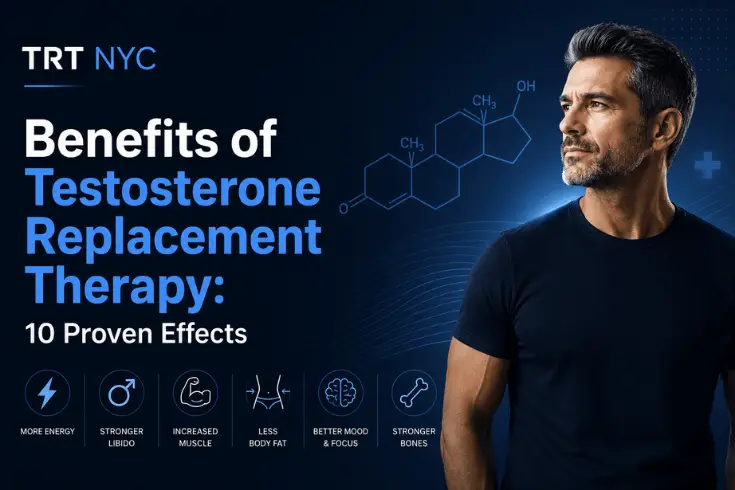
9 Clinically Proven Benefits of TRT: What the Research Says (Not What the Internet Claims)

9 Clinically Proven Benefits of TRT: What the Research Says (Not What the Internet Claims)

Comments
14 min read

Introduction

Millions of men quietly suffer through years of unexplained fatigue, low drive, stubborn body fat, and emotional flatness never connecting these symptoms to a single, treatable root cause: low testosterone. The internet is full of noise when it comes to testosterone replacement therapy (TRT). Some sources paint it as a miracle cure. Others warn it’s dangerous and unnecessary. The truth, as supported by clinical evidence, sits somewhere more nuanced and more hopeful than either extreme.

This article focuses on the benefits of TRT that are actually backed by research. Not anecdotes. Not supplement marketing. Real, clinically observed outcomes in men who undergo properly supervised testosterone replacement therapy for diagnosed low testosterone (hypogonadism). If you’re wondering whether TRT is right for you, this guide will give you an honest, evidence-informed foundation to start that conversation with your doctor.

What Is TRT and Who Is It For?

Testosterone replacement therapy (TRT) is a medically supervised treatment designed to restore testosterone levels in men whose bodies no longer produce adequate amounts of the hormone. This condition, known as hypogonadism or low testosterone, can develop due to aging, injury, chronic illness, or problems with the pituitary gland.

TRT is typically recommended when a man presents with clinical symptoms of low testosterone and a confirmed low blood testosterone level generally below 300 ng/dL in most clinical guidelines.

Common signs of low testosterone include:

  • Persistent fatigue and low energy
  • Reduced sex drive and erectile difficulties
  • Loss of muscle mass and increased body fat
  • Depression, irritability, or emotional numbness
  • Brain fog or difficulty concentrating
  • Poor sleep quality
  • Reduced bone density

TRT is available in several forms: intramuscular injections, transdermal gels or patches, subcutaneous pellets, and oral capsules. The method chosen depends on patient preference, lifestyle, and medical guidance.

Now, let’s look at what the clinical evidence says about the benefits of TRT for men with diagnosed low testosterone.

1: Restored Energy Levels and Reduced Fatigue

Quick Answer: One of the most consistently reported benefits of TRT is a significant improvement in energy and a reduction in chronic fatigue within weeks of beginning therapy.

Fatigue is one of the most debilitating and frequently reported symptoms of low testosterone. Many men describe it as a bone-deep exhaustion that sleep doesn’t fix — a kind of low-grade energy drain that affects every area of life, from work performance to family relationships.

Testosterone plays a direct role in mitochondrial function, red blood cell production, and the body’s overall metabolic efficiency. When testosterone levels drop, so does the body’s ability to produce and use energy effectively. Men with hypogonadism often show lower hemoglobin levels and reduced oxygen-carrying capacity, which contributes to persistent tiredness.

Clinical studies evaluating the benefits of TRT for low testosterone consistently show that men report noticeable improvements in vitality and energy after therapy begins — often within the first 4 to 6 weeks. Long-term studies tracking men over 12 months show sustained improvements in self-reported energy levels compared to baseline measurements.

Importantly, this benefit is most pronounced in men with confirmed low testosterone. TRT is not an energy booster for men with normal hormone levels — it is a restorative treatment that addresses a genuine hormonal deficiency.

2: Improved Sexual Health and Libido

Quick Answer: TRT is clinically shown to improve libido, sexual satisfaction, and in many cases, erectile function in men with confirmed low testosterone.

Sexual health is deeply tied to testosterone levels. Testosterone is the primary driver of sexual desire (libido) in men, and its decline is strongly associated with reduced interest in sex, difficulty achieving or maintaining erections, and lower overall sexual satisfaction.

One of the most well-documented TRT testosterone replacement therapy results in clinical literature is the improvement in sexual function. Multiple large-scale trials have demonstrated that men undergoing TRT for hypogonadism report meaningful increases in libido, more frequent sexual activity, and better erectile function compared to those receiving a placebo.

It is worth noting that erectile dysfunction has multiple causes, and TRT alone may not resolve erection difficulties if other contributing factors (such as cardiovascular disease, diabetes, or psychological causes) are present. In those cases, TRT may work best as part of a broader treatment plan.

Still, for men whose sexual symptoms are primarily driven by low testosterone, the evidence for TRT’s positive impact on sexual health is among the strongest and most consistent in the field.

3: Increased Muscle Mass and Strength

Quick Answer: TRT can increase lean muscle mass and strength in men with low testosterone, particularly when combined with resistance training.

Testosterone is an anabolic hormone — meaning it directly stimulates the growth and repair of muscle tissue. It does this by increasing protein synthesis within muscle cells, supporting the production of growth factors, and reducing the catabolic (muscle-breaking) effects of cortisol.

When testosterone falls below healthy levels, muscle mass declines even in men who maintain active lifestyles. This loss is slow and often subtle, but over time it can significantly impact strength, physical performance, and metabolic health.

TRT and muscle mass improvements are well-documented in clinical research. Men with hypogonadism who undergo TRT show measurable increases in lean body mass, particularly in the upper body, core, and thighs. These gains are more pronounced when TRT is paired with a structured resistance training program.

It’s important to distinguish this therapeutic use of testosterone from the misuse of supraphysiological (supra-normal) testosterone doses for bodybuilding purposes. TRT restores testosterone to the normal physiological range it is not a performance-enhancing shortcut.

4: Reduced Body Fat

Quick Answer: By improving metabolic function and increasing muscle mass, TRT can help reduce excess body fat particularly visceral fat around the abdomen.

Low testosterone and excess body fat have a bidirectional relationship. Fat tissue, especially visceral abdominal fat, contains an enzyme called aromatase that converts testosterone into estrogen. This means that higher body fat leads to lower testosterone — which in turn makes it easier to gain more fat. It’s a self-reinforcing cycle that TRT can help interrupt.

Clinical evidence shows that men undergoing TRT for diagnosed hypogonadism experience reductions in total body fat percentage, with particular improvements in visceral (abdominal) fat. Since visceral fat is closely linked to metabolic syndrome, type 2 diabetes, and cardiovascular disease, this benefit carries significant long-term health implications.

One major clinical program the TRT Trials observed meaningful reductions in waist circumference and fat mass in older men with low testosterone who received therapy over a 12-month period. These changes were accompanied by improvements in insulin sensitivity, suggesting broader metabolic benefits.

5: Better Mood and Mental Health

Quick Answer: TRT has shown consistent benefits for mood, including reduced symptoms of depression, irritability, and emotional numbness, in men with clinically low testosterone.

The TRT mental health benefits are frequently underappreciated. Many men with low testosterone describe a pervasive emotional flatness — a loss of drive, motivation, and enthusiasm for life. Others experience increased irritability, anxiety, or symptoms of depression that don’t fully respond to conventional antidepressants.

This is not surprising when you consider that testosterone receptors are present throughout the brain, including in regions that regulate mood, motivation, and emotional processing. Testosterone influences serotonin activity, dopamine release, and the stress response — all key factors in emotional wellbeing.

Research consistently shows that restoring testosterone to healthy levels improves self-reported mood, reduces depressive symptoms, and enhances overall sense of wellbeing in men with hypogonadism. Some studies also note improvements in motivation and confidence.

These benefits do not mean TRT is a treatment for clinical depression or other psychiatric conditions. Rather, when low testosterone is a contributing factor to emotional symptoms, addressing the hormonal deficiency can produce meaningful mental health improvements.

6: Stronger Bones and Reduced Fracture Risk

Quick Answer: TRT can increase bone mineral density in men with low testosterone, helping to reduce the risk of osteoporosis and fractures as they age.

Osteoporosis is often considered a women’s health issue, but men with low testosterone are at meaningful risk for bone loss as well. Testosterone plays a key role in bone remodeling — the ongoing process by which old bone tissue is replaced with new, healthy bone. When testosterone levels drop, this process becomes imbalanced, with bone breakdown outpacing bone formation.

TRT bone density improvements are supported by multiple clinical studies. Men with hypogonadism who undergo testosterone replacement therapy show measurable increases in bone mineral density, particularly in the lumbar spine and hip — two sites most vulnerable to fracture in aging men.

For older men already experiencing bone loss, TRT is often considered alongside other bone-protective measures as part of a comprehensive approach to skeletal health. The benefits in this area tend to build gradually over 12 to 24 months of consistent therapy.

7: Sharper Cognitive Function and Mental Clarity

Quick Answer: Some research suggests TRT may support cognitive performance, including memory, concentration, and processing speed, in men with low testosterone.

Brain fog — that frustrating inability to think clearly, remember details, or stay focused — is a common complaint among men with hypogonadism. Testosterone receptors are found in the hippocampus (the brain’s memory center) and other areas critical to cognition, suggesting a direct role for the hormone in mental sharpness.

Clinical studies examining TRT and cognitive function have shown promising results, particularly for verbal memory and spatial cognition. The TRT Trials specifically found improvements in certain cognitive measures in older men who received testosterone therapy compared to placebo.

It’s worth noting that cognitive benefits appear most pronounced in men with the lowest baseline testosterone levels, and results across studies are more variable in this area than in areas like energy or libido. More research is ongoing. Still, for men who report brain fog alongside other symptoms of low testosterone, this is a meaningful area of potential benefit.

8: Cardiovascular Health Support

Quick Answer: When used appropriately under medical supervision, TRT in men with hypogonadism may support certain markers of cardiovascular health, though this area requires careful individual assessment.

Cardiovascular health and TRT have a nuanced and evolving relationship in medical literature. Early concerns about TRT increasing cardiovascular risk have been largely revised in more recent, better-designed studies.

Current evidence suggests that in men with diagnosed hypogonadism, TRT may improve several cardiovascular risk markers including insulin resistance, lipid profiles, and body composition. Some studies have also observed improvements in exercise tolerance and cardiac output in men with low testosterone and existing heart conditions.

However, TRT cardiovascular health benefits depend heavily on the individual’s baseline health status, the form of TRT used, and whether therapy is properly monitored. TRT is not appropriate for all men, and cardiovascular risks — including changes in red blood cell volume and potential effects on blood clotting require careful monitoring by a qualified physician.

This is an area where professional medical assessment is especially critical before beginning therapy.

9: Improved Sleep Quality

Quick Answer: Men with low testosterone often experience disrupted sleep, and TRT may help improve sleep quality and reduce the frequency of nighttime awakenings.

Sleep and testosterone exist in a feedback loop: poor sleep reduces testosterone production, and low testosterone can disrupt sleep architecture. Many men with hypogonadism report difficulty falling asleep, frequent awakenings, and waking up unrefreshed even after an adequate number of hours in bed.

Clinical observations suggest that TRT can improve subjective sleep quality in men with low testosterone, including better continuity of sleep and improved morning energy. Some research also points to a potential interaction with sleep apnea, which is both more common in men with low testosterone and can be influenced by TRT making it important to screen for sleep apnea before and during therapy.

For men whose poor sleep is partly driven by hormonal imbalance, the benefits of TRT on sleep represent a meaningful quality-of-life improvement that ripples into nearly every other area of health.

TRT vs. No Treatment: A Quick Comparison

Health AreaLow Testosterone (Untreated)With TRT (Under Medical Supervision)
Energy & FatiguePersistent fatigue, low staminaSignificant improvement in vitality
Sexual HealthReduced libido, erectile difficultiesImproved desire and sexual function
Muscle MassProgressive loss of lean tissueMeasurable increase in muscle mass
Body FatFat gain, especially abdominalReduction in visceral fat
MoodDepression, irritability, flat affectImproved mood and emotional wellbeing
Bone DensityGradual bone loss, fracture riskIncreased bone mineral density
Cognitive FunctionBrain fog, poor concentrationImproved memory and mental clarity
CardiovascularWorsening metabolic markersPotential improvement in risk factors
SleepDisrupted, unrefreshing sleepImproved sleep quality

Important Considerations Before Starting TRT

While the benefits of TRT are clinically meaningful, TRT is not appropriate for everyone, and it is not without potential risks. A responsible understanding of testosterone replacement therapy includes awareness of the following:

  • Fertility impact: TRT suppresses the body’s natural testosterone production and can reduce sperm production. Men who wish to father children should discuss fertility-preserving options with their doctor before starting TRT.
  • Monitoring requirements: TRT requires regular blood work to monitor testosterone levels, red blood cell count (hematocrit), PSA (prostate-specific antigen), and other markers.
  • Side effects: Potential side effects include acne, fluid retention, sleep apnea exacerbation, and mood fluctuations — particularly if dosing is not properly managed.
  • Prostate health: TRT is generally not recommended for men with active prostate cancer. Men with a history of prostate cancer should have a detailed discussion with their oncologist and urologist.
  • Not a substitute for lifestyle: TRT works best alongside healthy habits — regular exercise, adequate sleep, balanced nutrition, and stress management.

Conclusion

The benefits of TRT are real, clinically documented, and potentially life-changing for men living with the burden of low testosterone. From restored energy and improved sexual health to stronger muscles, better mood, sharper thinking, and healthier bones — testosterone replacement therapy addresses a wide spectrum of symptoms that profoundly affect quality of life.

That said, TRT is a medical treatment not a wellness supplement or anti-aging shortcut. It requires proper diagnosis, thoughtful prescribing, and ongoing medical supervision to be both safe and effective. The research supports its use for men with genuine hormonal deficiency, and it does not support its use as a blanket solution for every man who feels tired or “past his prime.”

If you recognize yourself in the symptoms described throughout this article, the most important next step is to speak with a qualified healthcare professional. A simple blood test can confirm whether low testosterone is contributing to your symptoms and from there, an informed conversation about whether TRT is right for you can begin.

You deserve accurate information and expert care. Don’t let the internet or anyone else — substitute for that.

FAQs About the Benefits of TRT

How long does it take to feel the benefits of TRT?

Most men begin noticing improvements in energy and libido within 3 to 6 weeks. Changes in muscle mass, bone density, and body composition typically take 3 to 6 months of consistent therapy to become measurable.

Is TRT safe long-term?

For men with confirmed hypogonadism under proper medical supervision, current evidence suggests TRT can be used safely long-term. Regular monitoring is essential to manage any emerging risks.

Can TRT help with depression?

TRT is not a treatment for clinical depression, but it can reduce depressive symptoms in men whose mood problems are linked to low testosterone. If depression persists after TRT, a separate evaluation by a mental health professional is recommended.

Does TRT cause prostate cancer?

Current evidence does not support the claim that TRT causes prostate cancer. However, TRT may stimulate existing prostate cancer, which is why prostate health screening is required before and during therapy.

Will I need TRT forever?

In most cases of primary or age-related hypogonadism, TRT is a long-term treatment. Stopping therapy typically causes testosterone levels to return to their pre-treatment lows. Your doctor can discuss what’s appropriate for your situation.

Can younger men benefit from TRT?

Yes. While TRT is more common in older men, younger men with confirmed hypogonadism can also benefit. However, fertility implications are especially important to address in younger patients.

Medical Disclaimer: This article is intended for informational purposes only and does not constitute medical advice. Testosterone replacement therapy carries potential risks and is not suitable for everyone. Always consult a licensed healthcare professional before beginning any hormone therapy.

Share this article

About Author

admin

Leave a Reply

Your email address will not be published. Required fields are marked *

Most Relevent