
Testosterone Therapy Clinic Minnetonka: Reclaim Your Energy and Vitality
 By Harshit
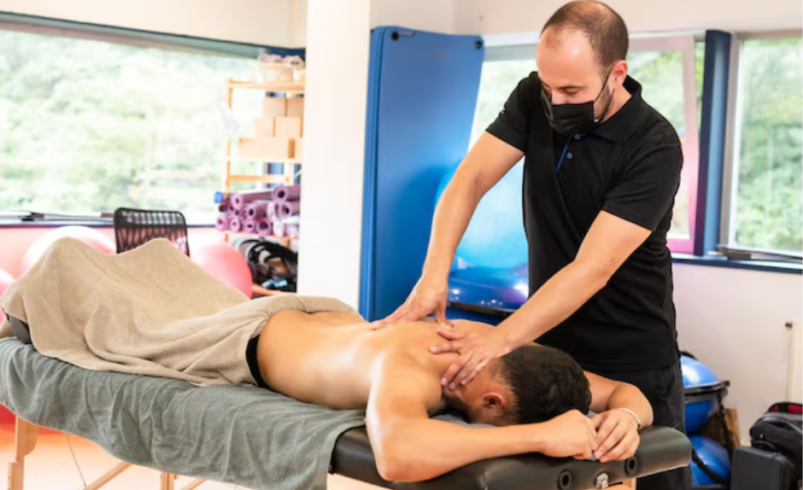
Testosterone therapy clinic Minnetonka is where many patients begin their journey to reclaim vitality and balance. If you’ve been feeling unusually fatigued, irritable, or lacking the motivation you once had, it might not just be stress or aging—it could be low testosterone. In the Minnetonka and Twin Cities area, specialized clinics offer personalized hormone care to help you feel like yourself again.
At a dedicated testosterone therapy clinic in Minnetonka, experienced providers focus on comprehensive hormone testing and tailored treatment plans based on your unique needs and lifestyle. Whether your goal is to boost energy, stabilize your mood, enhance libido, or build lean muscle and healthy bones, these experts use proven therapies to help you achieve lasting results. This article covers what to expect at a testosterone therapy clinic Minnetonka—from initial evaluation and treatment options to safety considerations and success stories—so you can make confident decisions about your health.
Many patients report that testosterone therapy in Minnetonka leads to life-changing improvements in their health and quality of life. By the end of this guide, you’ll understand how these treatments work and be ready to take the next step toward renewed strength and confidence. Keep reading to discover how these treatments work and what sets Minnetonka clinics apart.
Why Visit a Testosterone Therapy Clinic Minnetonka?
At its core, testosterone therapy is about restoring hormonal balance for people with hypogonadism (chronically low testosterone). It’s not about a quick energy fix; it’s a medically supervised treatment for persistent symptoms. Signs of low testosterone can include ongoing fatigue, brain fog, irritability or depression, loss of muscle and strength, and a drop in libido or sexual performance. Men may also notice shrinking testicles or receding hairline; women with low testosterone often feel unusually tired and emotionally flat. If these symptoms ring true for you, a Minnetonka hormone specialist can help sort out the cause and treatment.
- Common Symptoms: Persistent fatigue or low energy; reduced sex drive or erectile issues; mood swings, irritability or poor focus; plus muscle loss or unexplained weight gain.
- Comprehensive Evaluation: Your provider will review your health history and order blood tests. Typically two morning blood draws measure total and free testosterone along with related hormones (estrogen, thyroid, etc.) to get a full picture.
- Personalized Treatment Plan: Based on the results, the clinic crafts a custom plan. This may include hormone therapy, lifestyle changes (diet, exercise, sleep), and regular follow-ups. The aim is to restore your levels safely and effectively.
Medical guidelines generally consider testosterone below about 300 ng/dL (with matching symptoms) as low. Untreated low-T has been linked to health issues – recent research suggests men with very low testosterone had higher heart-related risks. That’s why Minnetonka specialists emphasize accurate testing and ongoing monitoring.
Popular Treatment Options at a Testosterone Therapy Clinic Minnetonka
Testosterone therapy can be delivered in several forms. Your Minnetonka clinic will explain the benefits of each approach and help you choose the best fit for your lifestyle:
- Injections: Regular shots (often every 1–3 weeks) give a direct boost of testosterone. This method works quickly and allows precise dosing. It may require clinic visits or learning self-injection at home.
- Topical Gels: Daily gel or cream applied to the skin (usually on the shoulders or arms) provides a steady hormone dose without needles. It’s easy to use, but you must apply it every day and avoid skin contact with others until it dries.
- Patches: A skin patch worn continuously releases testosterone steadily for 24 hours. Patches offer consistent dosing, though some men experience skin irritation or find them inconvenient to wear.
- Pellets: Small pellets are implanted under the skin every few months in a quick office procedure. Pellets free you from daily or weekly dosing and keep levels steady for months. The drawback is the implant procedure and limited dose flexibility once placed.
- Other Treatments: In some cases, doctors may use medications (like hCG or clomiphene) to naturally raise your own testosterone. Supplements or over-the-counter “boosters” are not recommended without medical supervision.
A good Minnetonka clinic will tailor your method and dose, then monitor your hormone levels to keep treatment both safe and effective.
Life-Changing Benefits of Testosterone Therapy
testosterone therapy clinic Minnetonka often leads to significant improvements in daily life. Many patients experience results within weeks as their hormone levels stabilize. Key benefits include:
- Renewed Energy and Stamina: Chronic fatigue and brain fog usually fade. You’ll likely feel more awake and active, making everyday tasks and workouts much easier.
- Improved Mood and Focus: Hormone balance can reduce irritability, anxiety, and depression. Many men report sharper concentration and a more positive outlook.
- Enhanced Libido and Sexual Health: Testosterone is critical for sex drive and function. Therapy often restores lost libido and erectile function, improving intimacy and confidence.
- Stronger Muscles and Leaner Body: Testosterone helps build muscle and burn fat. Patients commonly see better muscle tone and strength, especially when paired with strength training and a healthy diet.
These changes often have a ripple effect—better energy and mood can improve your relationships and motivation. Some men also see stronger bones and better metabolic health as testosterone levels rise, since this hormone influences bone density and fat distribution.
Your First Consultation at a Testosterone Therapy Clinic in Minnetonka
Stepping into a specialized hormone clinic can feel like a big step, but the process is straightforward and informative. During your first appointment in Minnetonka, expect the following:
- Medical History Review: Your provider will ask about your symptoms, medical history, medications, and lifestyle (sleep, diet, stress, exercise). This helps identify factors that could affect your hormones.
- Hormone Testing: A blood test is ordered, usually in the morning, to measure total and free testosterone, along with other key markers (like estrogen levels, thyroid function, vitamin D, etc.). Some clinics also check blood count and cholesterol.
- Physical Exam: The doctor may do a physical exam (checking testicular size, body fat, blood pressure, etc.) to gather more clues about your hormone health.
- Discussion of Results: Once tests are done, you’ll have a detailed discussion of your hormone profile. Your provider will explain what the numbers mean and whether testosterone therapy is recommended.
- Customized Plan: Together you’ll outline goals for therapy (energy, mood, fitness, sexual health) and create a treatment plan. The doctor will explain options and may start you on therapy or discuss lifestyle adjustments first.
By the end of this first visit, you’ll have a clear understanding of the plan ahead, including how the clinic will monitor your progress. Good clinics ensure you never feel rushed — they focus on education and comfort so you leave feeling informed and confident about next steps.
Ensuring Safety: Monitoring Testosterone Therapy
Testosterone therapy is generally safe under medical supervision, but it’s important to watch for side effects. Common issues can include:
- Skin and Hair Changes: Increased oiliness or acne can occur, and some men experience hair loss. These effects are usually manageable and should be reported if they worsen.
- Mood or Sleep Effects: A few men notice mood swings or irritability. Testosterone can also aggravate sleep apnea, so it’s important to address any new sleep problems.
- Fluid Retention: You might have mild swelling in ankles or weight gain from water retention. Doctors check blood pressure and fluid status to prevent complications.
- Blood Thickness: Testosterone often raises hematocrit (red blood cell levels). Periodic blood tests help ensure your blood isn’t too thick, which could increase clot risk.
- Fertility: Testosterone therapy typically lowers sperm production while you’re on treatment. If you plan to have children, discuss this with your provider; they can suggest ways to preserve fertility or consider alternative treatments.
- Breast Tissue: In some cases, excess hormone can cause breast enlargement (gynecomastia) or tenderness. Let your doctor know of any breast changes.
Your Minnetonka clinic will monitor your health throughout therapy. This includes follow-up appointments every few months to review symptoms and repeat lab tests. Regular bloodwork checks testosterone levels, red cell count, cholesterol, liver function and other markers. The provider will adjust your dose if needed or address any concerns. Close supervision ensures you enjoy benefits safely while minimizing risks.
Real Patient Success Stories
Many people who complete a course of testosterone therapy in Minnetonka report dramatic improvements in their quality of life. Here are some common outcomes:
- Renewed Vitality: Patients frequently describe feeling energized again. For example, one man said he went from dragging through work to having the stamina to enjoy daily activities and hobbies.
- Stable Mood: Others note a big boost in mood and focus. One testimonial mentioned that constant irritability and “brain fog” gave way to a calmer, clearer mindset after treatment.
- Revived Libido and Confidence: Restoring testosterone often brings back a healthy sex drive. Several patients shared that improvements in intimacy made them feel more confident and happier in their relationships.
- Physical Transformations: Improved muscle tone and reduced body fat are frequently reported. Men appreciate seeing real changes in strength and physique, which reinforces the sense that therapy is working.
- Personalized Care: Patients often praise the attentive support they received. Regular follow-ups, open communication, and tailored treatment plans make them feel guided and safe. One individual noted feeling like he was in “expert hands” throughout the process.
These real-world stories highlight how targeted hormone therapy—when managed by experienced Minnetonka providers—can bring the best version of you back to life.
Choosing the Right Testosterone Therapy Clinic Minnetonka
Not all hormone clinics are the same. To get safe, effective care, consider these factors when choosing a Minnetonka provider:
- Specialized Expertise: Look for clinics with experienced physicians or hormone specialists (like endocrinologists or urologists). An expert team can accurately diagnose low testosterone and rule out other causes.
- Comprehensive Testing: The clinic should offer thorough lab testing, not just a basic testosterone check. Full hormone panels (and sometimes additional health screenings) help ensure you receive the correct treatment.
- Personalized Plans: The best clinics tailor treatment to your goals and health. Avoid places that push a generic solution; instead, find one that listens and customizes your dose, delivery method, and lifestyle recommendations.
- Positive Track Record: Read reviews or ask about success stories. Patient satisfaction and before/after results reflect the quality of care. A trustworthy clinic will have testimonials and referrals.
- Ongoing Support: Treatment shouldn’t be “set it and forget it.” Choose a clinic that schedules regular follow-ups, monitors your progress, and adjusts therapy as needed. Continuous support maximizes safety and results.
Selecting a clinic with these qualities ensures you receive high-quality hormone care. Minnetonka has several reputable providers—your job is to find one that fits your needs and makes you feel confident.
Conclusion:
Take Control of Your Health with Testosterone Therapy Clinic Minnetonka
A testosterone therapy clinic Minnetonka offers much more than hormone replacement—it provides a complete approach to restoring balance, energy, and vitality. Low testosterone can quietly affect nearly every aspect of life, from your physical stamina and muscle strength to your emotional stability and mental focus. Left untreated, it can contribute to long-term health challenges such as bone loss, cardiovascular risks, and reduced quality of life. By seeking professional care, you ensure these issues are addressed with a tailored plan backed by medical expertise.
The process at a testosterone therapy clinic Minnetonka is built around safety, personalization, and ongoing support. From your initial consultation to comprehensive hormone testing and customized treatment options, each step is designed to help you feel confident and informed about your health. Regular monitoring ensures therapy remains safe and effective, while attentive providers are always available to adjust your plan as needed.
Frequently Asked Questions
What is testosterone therapy?
Testosterone therapy (or replacement therapy) is a medical treatment for men (and sometimes women) with low testosterone. It involves administering testosterone to restore hormone levels to the normal range, relieving symptoms like fatigue, low sex drive, and muscle loss.
How can testosterone therapy help me?
For individuals with low testosterone, therapy can greatly improve quality of life. Common benefits include increased energy and stamina, improved mood and mental clarity, a stronger libido, and easier muscle gains (with proper exercise). By correcting your hormone levels, testosterone therapy can help you feel more like yourself again.
What types of testosterone therapy are available in Minnetonka?
Minnetonka clinics generally offer the same options found nationwide: testosterone injections (given every 1–2 weeks), topical gels or creams (applied daily), transdermal patches (worn 24/7), and pellets (implanted under the skin every few months). Each method delivers the hormone differently – your doctor will explain the pros and cons of each and help you choose the method that fits your lifestyle.
What types of testosterone therapy are available in Minnetonka?
Minnetonka clinics generally offer the same options found nationwide: testosterone injections (given every 1–2 weeks), topical gels or creams (applied daily), transdermal patches (worn 24/7), and pellets (implanted under the skin every few months). Each method delivers the hormone differently – your doctor will explain the pros and cons of each and help you choose the method that fits your lifestyle.
What should I expect during my first consultation?
Your first visit will include a review of your medical history, current symptoms, and lifestyle. The provider will perform a physical exam and order lab tests (blood draws) to measure your hormone levels. Once results are in, the doctor will explain them and work with you to create a personalized treatment plan aligned with your health goals.
Are there side effects to testosterone therapy?
As with any treatment, testosterone therapy can cause side effects. Common issues include acne, oily skin, mild fluid retention (swelling), and mood changes. It can also raise red blood cell count and affect cholesterol or prostate markers. Reputable Minnetonka clinics manage these risks through regular monitoring and dose adjustments. Always communicate any side effects or concerns with your provider so they can adjust your therapy and keep you safe.