
Testosterone Therapy Fort Lauderdale: Regain Energy and Confidence
 By Harshit
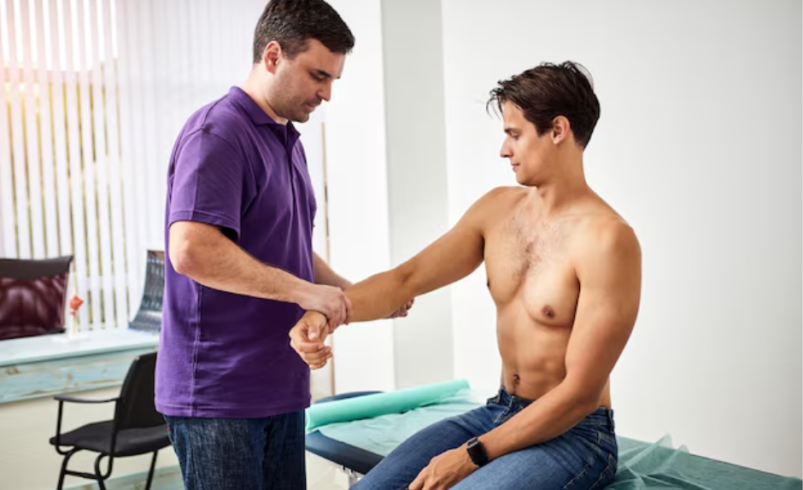
If you’ve been battling unexplained fatigue, low libido, or mood swings in Fort Lauderdale, you’re not alone. Testosterone therapy Fort Lauderdale clinics are helping many men restore balance and vitality. Testosterone, the primary male sex hormone, naturally declines with age. When levels fall too low, it can sap energy, mood, muscle mass and libido. In sunny South Florida, men lead active lifestyles – and low testosterone can stand in the way of beach workouts, outdoor activities, and feeling like their best selves. Testosterone replacement therapy (TRT) isn’t about vanity – it’s about health.
It can boost energy, improve mood, and reignite sexual drive by bringing levels back to normal (within a “middle” healthy range). Modern Fort Lauderdale providers personalize care: they confirm low T with blood tests, address underlying issues, and tailor a plan with injections, gels, pellets or patches. With proper medical oversight, patients often describe TRT as a “second wind” – regaining the vitality and confidence they thought were lost.
Understanding Testosterone Therapy in Fort Lauderdale
Testosterone is crucial for men’s health – it maintains muscle and bone strength, body fat distribution, red blood cell production, and sex drive. Young men have peak levels; after age 30–40, levels typically drop ~1% per year. This gradual decline is normal, but some men develop hypogonadism (a medical condition) where levels are abnormally low. In Fort Lauderdale and beyond, doctors diagnose low T through blood tests (measured between 7–10 am, repeated on a separate day to confirm). Only men with consistently low lab results and symptoms – such as fatigue, low libido, or mood issues – are considered for TRT.
Once diagnosed, testosterone therapy Consultations in Fort Lauderdale works by supplementing the hormone. Clinics offer several methods: injections of testosterone compounds, daily topical gels or patches, and long-acting pellets implanted under the skin. Each method raises testosterone back into the normal range. The goal is to restore hormonal balance so patients feel the benefits – higher energy, muscle gain, improved mood – without the dips of “low T”. Importantly, doctors emphasize a personalized approach. No one “one-size” dose works for everyone. Fort Lauderdale providers will consider your health, lifestyle, and preferences when choosing how to deliver therapy.
Common Symptoms of Low Testosterone
Men considering testosterone therapy Fort Lauderdale often report a cluster of symptoms. These can include:
- Low Energy & Fatigue: Feeling tired even after rest, or struggling to complete daily tasks. Low T can reduce red blood cell production (limiting oxygen delivery), causing chronic fatigue.
- Reduced Libido & Sexual Issues: Decreased sex drive, fewer spontaneous erections, or mild erectile dysfunction. Men may notice intimacy declines. Studies show TRT significantly improves libido and sexual activity in older men with low T.
- Mood Changes: Irritability, sadness or “brain fog” are common. Low testosterone can contribute to depression and difficulty concentrating. Many men feel more confident and mentally sharp once levels normalize.
- Body Composition Shifts: Increased body fat (often around the midsection), loss of muscle mass and strength. Testosterone normally helps build muscle and burn fat; deficiency can reverse that. TRT can increase lean mass and reduce fat when combined with exercise.
- Other Signs: Lower motivation, poorer sleep quality, and even mild memory lapses. Some men develop gynecomastia (breast enlargement) or notice changes in hair.
Delivery Methods for Testosterone Therapy Fort Lauderdale
Once you and your doctor decide to proceed, the next step is choosing how to take testosterone. Fort Lauderdale clinics offer multiple delivery methods. Each has pros and cons, so the choice depends on your lifestyle and medical considerations:
- Intramuscular Injections: Testosterone (usually cypionate or enanthate) injected into muscle every 1–2 weeks.
- Pros: Rapidly raises levels; dosing is precise and cost-effective.
- Cons: Requires injections (done at the clinic or self-administered). Blood levels may fluctuate between shots. Some men dislike needles or frequent appointments.
- Pros: Rapidly raises levels; dosing is precise and cost-effective.
- Transdermal Gels: Daily application of a testosterone gel to the skin (shoulders or arms).
- Pros: Easy, steady absorption maintains more stable hormone levels. No needles.
- Cons: Must apply every day and wait before showering. Potential risk of transferring the gel to others (skin contact), so men are advised to wash hands and cover the area.
- Pros: Easy, steady absorption maintains more stable hormone levels. No needles.
- Patches: Adhesive patches worn on the skin (usually at night) that release testosterone continuously over 24 hours.
- Pros: Consistent delivery without daily application. Easy to use.
- Cons: Can cause skin irritation or rash at the patch site. Patches may loosen with sweating or swimming (relevant in humid Florida climates).
- Pros: Consistent delivery without daily application. Easy to use.
- Subcutaneous Pellets: Small pellets implanted under the skin (in buttocks or hip) in a minor procedure every 3–6 months.
- Telemedicine TRT: Many Fort Lauderdale providers now offer telehealth services. You can consult with a licensed doctor online and receive prescriptions remotely. Only lab tests (blood draws) need to be done in person at a local lab. Florida law allows virtual testosterone therapy as long as it’s based on documented low levels and symptoms. This option adds convenience – you can begin and monitor TRT from home.
Real Benefits of Testosterone Therapy Fort Lauderdale
The true impact of testosterone therapy Fort Lauderdale is measured in how it makes you feel. Clinical studies and patient reports highlight several key improvements:
- Boosted Energy & Stamina: Men often feel less fatigue and more endurance. By increasing red blood cell production, TRT improves oxygen delivery to tissues. This translates into waking up rested and sustaining exercise with less effort. Many report feeling a “second wind” in daily life.
- Improved Sexual Health: Most men experience a rebound in libido and sexual performance. A major trial found testosterone therapy significantly enhanced sexual interest and activity in older men with deficiency. In practice, patients report more frequent erections, increased desire, and renewed confidence in the bedroom.
- Increased Muscle & Lean Mass: Testosterone is anabolic, promoting protein synthesis. Men on TRT typically find it easier to gain muscle and lose stubborn fat, especially when exercising. Clinical trials show significant gains in lean body mass and bone density with TRT. These changes help strengthen your frame and make weight management easier.
- Sharper Mood & Mental Clarity: Low testosterone can cause depression, irritability, and “brain fog.” Many men notice a brighter, calmer mood and better focus after treatment. Scores of patients describe feeling more motivated, less anxious, and sharper mentally as their levels normalize.
- Bone & Overall Health: Healthy testosterone helps maintain bone density. Restoring testosterone can slow or reverse bone loss, reducing fracture risk over the long term. More subtly, men often say they feel “healthier” overall – handling stress better and enjoying activities they once lost interest in.
Potential Risks of Testosterone Therapy Fort Lauderdale
Every medical therapy has side effects, and testosterone therapy Fort Lauderdale requires informed consideration. The good news is that most men tolerate TRT well when properly supervised. Nevertheless, you should be aware of potential issues and how doctors manage them:
- Skin & Acne: Higher testosterone can increase oil production. Some men develop acne or greasy skin, especially early on. Using oil-free cleansers or prescription treatments can control this. Gel and patch users may also see mild site irritation or rash.
- Sleep Apnea Worsening: Testosterone can worsen underlying sleep apnea. If you have known sleep apnea, your provider may adjust therapy or recommend a sleep study to ensure safe breathing at night.
- Fluid Retention: You might notice slight ankle or foot swelling as testosterone can cause the body to hold water. Doctors monitor blood pressure and may adjust dose if swelling becomes an issue.
- Mood & Behavior Changes: A few men experience increased irritability or mood swings (sometimes called “roid rage,” though this is rare at therapeutic doses). Communication with your doctor is key. Often, tweaking the dose or dosing interval stabilizes mood.
- High Red Blood Cell Count: Testosterone boosts red blood cell production. Doctors will regularly check your hematocrit (the proportion of blood made of red cells). If it gets too high (thick blood), they may reduce the dose or have you donate blood occasionally.
- Prostate Issues: Testosterone can enlarge the prostate slightly. For men with undetected prostate cancer, there was historical concern TRT might stimulate it. However, multiple studies (including a Dec 2023 JAMA analysis) found no increased prostate cancer risk in men treated for low T. Still, clinics check PSA levels and perform exams to be safe. If PSA climbs unexpectedly, therapy is paused for evaluation.
- Fertility Impact: TRT can lower sperm production by suppressing FSH hormone. Men planning to conceive should discuss alternatives (like clomiphene or hCG therapy) before starting TRT. In many cases, sperm counts recover when TRT stops, but this can take months.
- Cardiovascular Risks: Earlier observational studies raised alarms about heart risk. However, recent clinical trials and meta-analyses give reassurance. A 2023 study found no higher risk of heart attack or stroke on TRT compared to placebo. Indeed, low testosterone itself is linked to higher heart disease risk. The consensus is that TRT, when monitored, does not significantly raise heart risk. Still, doctors advise caution in men with severe heart disease and they monitor blood pressure and cholesterol.
Who is a Candidate for Testosterone Therapy Fort Lauderdale?
Not every man with low T symptoms should jump into TRT. Good candidates are those with clear evidence of deficiency and symptoms affecting quality of life. In general:
- Confirmed Low Testosterone: Doctors diagnose low T by measuring total testosterone on two separate mornings. Typically, levels below about 300 ng/dL (depending on the lab’s reference) are considered low. Both morning tests should be low to confirm a deficiency.
- Related Symptoms: Candidates usually have both biochemical hypogonadism and symptoms like fatigue, low sex drive, or depression. If your levels are borderline or you have vague symptoms, a doctor might first look for other causes (thyroid issues, depression, obesity, etc.) before prescribing TRT.
- Age and Health: TRT is approved for men with true testosterone deficiency, not simply aging. Most patients are men aged 30–70. Younger men with permanent hypogonadism (e.g. from testicular injury or pituitary disorders) also qualify. Those in very poor health might be advised against it until conditions (like uncontrolled heart disease) are managed.
- Good Overall Health & Monitoring: A candidate should be willing to undergo regular follow-up and lab tests. They should not have untreated prostate or breast cancer. Men with serious untreated sleep apnea or uncorrected heart failure may need treatment of those issues first, as TRT can complicate them.
- Family Planning: Men looking to father children soon should discuss fertility. Since TRT can suppress sperm, specialists may suggest alternatives if pregnancy is planned.
Finding Testosterone Therapy Fort Lauderdale Clinics
Fort Lauderdale has a growing number of reputable clinics focused on men’s hormonal health. When choosing a provider for testosterone therapy Fort Lauderdale, consider these options:
- Men’s Health & Anti-Aging Clinics: These centers specialize in male hormone optimization and sexual health. They often offer comprehensive TRT programs along with treatments for erectile dysfunction and lifestyle coaching. For example, local clinics (like Florida Men’s Health Center) cater specifically to men with Low T issues.
- Endocrinologists: These hormone specialists can manage complex cases. If you have multiple endocrine issues (thyroid, metabolic syndrome, etc.), an endocrinologist’s expertise ensures thorough evaluation.
- Urologists: Urologists often treat male sexual health and are experienced with TRT, especially if you also have prostate or urinary concerns. They coordinate hormone treatment with prostate health monitoring.
- Primary Care and Anti-Aging Physicians: Some family doctors or internal medicine providers now offer TRT. Others are anti-aging or integrative medicine doctors who include hormone therapy. Ensure they have certification or training in hormone management.
What to Expect at Your First Appointment
When you walk into a Fort Lauderdale testosterone therapy clinic for the first time, expect a comprehensive evaluation:
- Medical History & Symptoms Discussion: The doctor or PA will ask about your symptoms (energy, sex drive, mood, sleep, etc.) and lifestyle. They’ll review your medical history (heart, liver, prostate issues) and medications. Be honest about how you feel and any concerns.
- Physical Exam: This may include checking your weight, body fat, muscle distribution, and possibly a prostate exam. They might measure testicular size and look for signs of low testosterone (like reduced body hair).
- Blood Tests: The clinic will order labs – typically total and free testosterone, and other hormones (LH, FSH, estrogen), PSA (for prostate health), CBC (blood counts), lipid panel, and sometimes thyroid. The testosterone test should be done in the morning (7–10 am) when levels peak. Often they’ll confirm low testosterone with a second test on another day before starting therapy.
- Review of Results & Treatment Plan: When your labs return (usually a few days later), the doctor will go over results. If your testosterone is genuinely low and others are normal, they’ll discuss options. They’ll recommend a treatment method, showing how each delivery works, the schedule, and costs. Weighing your lifestyle, they help you pick injections, gel, pellets, or a telehealth plan.
- Informed Consent & Education: They’ll explain the expected benefits and possible side effects (as above) and answer your questions. If you agree, you’ll sign a consent form. They’ll provide instructions on administering therapy (for injections) or applying gels, plus lifestyle tips (diet, exercise, sleep) to boost natural testosterone.
Timeline: What You May Notice After Starting TRT
Results unfold over weeks to months. Here’s a general timeline many men experience on testosterone therapy Fort Lauderdale:
- Week 1–2: You might notice subtle changes early on – better sleep, slight mood lift, perhaps improved morning erections. Fatigue often starts to ease.
- 3–6 Weeks: Energy and drive increase. Many men report feeling sharper and more motivated. Libido tends to rebound in this period. Some weight loss may begin as metabolism revs up.
- 6–12 Weeks: Physical changes become more apparent. You may gain muscle tone and strength (especially if you exercise). Body fat, particularly around the belly, may start to decrease. Improved concentration and a more positive outlook are common.
- 3–6 Months: Stamina and endurance peak. You should feel significantly more like your old self. Muscle gains and fat loss are clearer. Ongoing sexual and mood benefits stabilize.
- 6+ Months (Ongoing): Full benefits are typically reached by 6–12 months. Bone density improvements (if needed) begin, supporting long-term health. Consistent therapy and lifestyle habits maintain these gains.
Skip appointments or doses and you’ll lose momentum, so commitment is key. Remember everyone’s body is different: factors like age, baseline health, and dosage affect the pace. Regular follow-ups (blood tests every 3–6 months) ensure you stay on track.
Conclusion:
If you’ve been feeling drained or “not yourself,” don’t wait to reclaim your vitality. Testosterone therapy Fort Lauderdale isn’t just about looks – it’s about living your best life with energy, confidence and well-being. Talk to a qualified provider today: get your hormone levels tested and discuss whether TRT is right for you. In Fort Lauderdale’s active community, a tailored hormone plan could be exactly what you need to thrive. Take charge of your health and schedule a consultation at – your journey back to feeling like yourself starts now.
FAQ:
1.What is testosterone therapy?
It’s a medical treatment for men with low T, using injections, gels, patches, or pellets to restore balance.
2.Who is a candidate for testosterone therapy?
Men with both symptoms (fatigue, low libido) and lab-confirmed low testosterone (<300 ng/dL on 2 tests).
3.What are the benefits of testosterone therapy?
Improved energy, mood, libido, stamina, muscle mass, bone strength, and overall well-being.
4.Are there any side effects of testosterone therapy?
Possible acne, fluid retention, high red blood cells, sleep apnea, or mood swings—managed with monitoring.
5.How can I find testosterone therapy in Fort Lauderdale?
Look for local hormone clinics, board-certified doctors, or licensed telehealth providers with proper testing.