


How to Optimize TRT While Living a Busy NYC Life
 By Atul Sharma
Living in New York City means long days, irregular sleep, and a fast pace that can amplify symptoms of low testosterone. If you are considering testosterone replacement therapy, or already on treatment, you need a plan that fits your schedule, keeps you safe, and delivers measurable results.
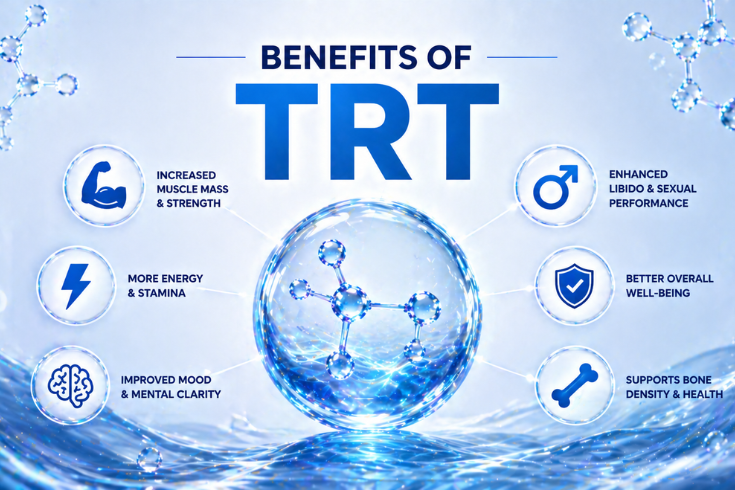
This guide shows how to optimize TRT through telehealth with practical steps, specific lab timing, treatment options, and lifestyle changes that work in an urban environment. It includes real examples, monitoring checklists, and ways TRT NYC streamlines care so you can stay productive while improving energy, libido, and muscle mass.
How TRT via Telehealth Works in NYC
Telehealth makes TRT accessible without repeated in-person visits. The typical journey includes an online consultation, targeted lab testing, a customized treatment plan, medication delivery, and structured virtual follow-up. Each step emphasizes safety and convenience.
Step-by-step patient journey
- Initial consult – Comprehensive medical history, symptom inventory, and medication review done via secure video call.
- Diagnostic labs – Testosterone total and free, LH, FSH, estradiol, prolactin, CBC, CMP, PSA for men over 40, and lipid panel. Labs are scheduled at a local draw site with morning sampling when possible.
- Personalized plan – Treatment choice (injection, gel, patch, or oral), dosing cadence, and monitoring schedule tailored to your goals and comorbidities.
- Medication delivery – Prescriptions dispatched with clear administration instructions; injection training provided virtually if needed.
- Ongoing monitoring – Regular labs and virtual follow-ups to adjust dose and track side effects.
Choosing the Right TRT Method for a Busy Schedule
Each TRT modality has pros and cons for city life. Consider work routine, travel frequency, privacy needs, and comfort with injections when choosing a method.
Injection therapy
Intramuscular or subcutaneous injections are the most reliable way to reach and maintain target testosterone levels. They typically require dosing every 1-2 weeks. For commuters, a once-every-2-weeks schedule reduces administration frequency, and many patients self-inject in the thigh or abdomen at home.
Topical gels and patches
Gels and patches offer daily administration with minimal training. Gels require application time and drying before leaving home. Patches can be discreet, but skin irritation and transfer risk to partners are considerations.
Oral and alternative options
Some oral formulations exist, but they vary in effectiveness and safety profiles. Discuss liver function and drug interactions with your provider before selecting an oral approach.
Monitoring Plan: Labs and Symptom Tracking
Effective optimization depends on scheduled monitoring. Below is a practical lab cadence used by telehealth TRT programs to balance safety with convenience.
- Baseline – Full hormone panel and metabolic labs before starting therapy.
- Early check – Serum testosterone and estradiol at 4-8 weeks to confirm levels and adjust dose.
- Stabilization – Labs at 12-16 weeks after initial adjustments.
- Maintenance – Routine labs every 3-6 months, depending on comorbidities and age.
- Safety checks – CBC and PSA annually or sooner for men over 40, and anytime clinical concerns arise.
While traveling or during heavy work periods, plan lab draws in advance. Many NYC labs offer early morning appointments and multiple locations for flexibility.
Lifestyle Optimization That Enhances TRT Results
Medication alone is not enough. Small, consistent lifestyle changes amplify TRT benefits and help maintain gains in energy and muscle.
Sleep and circadian health
Aim for regular sleep windows even if you work late. Testosterone rises during sleep, so prioritize at least 6-8 hours nightly when possible. Use blackout shades and limit screen exposure 60 minutes before bed.
Nutrition and body composition
Protein at each meal, sufficient healthy fats, and micronutrient-rich foods support hormone balance. Track weight and body-fat trends monthly. For many men, losing 5-10 percent body weight improves testosterone naturally and enhances treatment response.
Strength training and recovery
Resistance training 3 times per week stimulates muscle growth and supports testosterone-driven improvements. Schedule 48 hours between intense sessions for recovery. If time is limited, 20-30 minute high-intensity sessions are effective.
Stress management
Chronic stress raises cortisol and can blunt testosterone gains. Incorporate quick stress-reduction tactics into your commute: breathing exercises, short walks, or audio-guided mindfulness for 10 minutes daily.
Practical Tips for NYC Patients
New York City has unique logistical challenges. Here are targeted tactics to streamline treatment and adherence.
- Use telehealth follow-ups to avoid traffic and save time. Most adjustments can be done virtually with lab confirmation.
- Set medication reminders on your phone tied to routine activities, like brushing your teeth or morning coffee.
- Travel kit – Carry a small kit with gel applicator or pre-filled syringes for short trips. Keep prescriptions and provider contact details in a secure app.
- Coordinate labs near work or home, and book early morning slots to keep blood draws consistent.
Safety, Side Effects, and When to Contact Your Provider
TRT is generally safe when monitored, but you must watch for specific signs and side effects. Communicate changes promptly to your telehealth provider.
- Report increased aggression, mood swings, or sudden fluid retention.
- Notify provider about new sleep apnea symptoms or significant changes in PSA or hematocrit.
- Elevated hematocrit may require dose adjustment or therapeutic phlebotomy.
Always disclose all medications, supplements, and over-the-counter products. Some substances interact with hormone therapy and require dose oversight.
Example Optimization Case Studies
These short scenarios show how a telehealth TRT program adapts to real life in NYC.
Case 1: The 38-year-old finance professional
Symptoms: Fatigue, low libido, and difficulty building muscle. Approach: Baseline labs confirmed low total testosterone. Started on weekly subcutaneous injections with lab recheck at 6 weeks. Lifestyle: Added three strength sessions per week and improved sleep hygiene. Outcome: Energy and gym performance improved by week 8.
Case 2: The 52-year-old weekend athlete
Symptoms: Reduced stamina and slower recovery. Approach: Started on transdermal gel due to needle aversion and frequent travel. Monitoring: Labs at 4-6 weeks and adjustment to gel dose improved morning testosterone levels. Outcome: Better recovery and renewed training intensity within 3 months.
Costs, Insurance, and Convenience
Telehealth TRT programs vary in price. Some insurers cover diagnostic labs and consultations, but often medications are out-of-pocket. Evaluate total cost including lab draws, medication delivery, and follow-ups to choose the best value.
In NYC, look for telehealth platforms that partner with widespread lab networks, provide flexible scheduling, and offer transparent pricing. This reduces missed work and simplifies adherence.
Frequently Asked Questions
How soon will I feel better on TRT?
Many men notice improved energy and libido within 3-6 weeks, while muscle and body composition changes can take 8-12 weeks. Individual response varies based on baseline levels, dosing method, and lifestyle factors.
What labs are required before starting TRT?
Baseline testing typically includes total and free testosterone, LH, FSH, estradiol, prolactin, CBC, CMP, lipid panel, and PSA for men over 40. Morning sampling is preferred for accuracy.
Can I travel while on TRT?
Yes. Plan ahead by bringing documentation, keeping medications in original labeled containers, and scheduling lab draws in advance if needed. For injections, pack sharps container and follow airline rules for syringes.
Are injections better than gels?
Injections provide more consistent blood levels and are often more cost-effective. Gels offer daily dosing and convenience for needle-averse patients. The best option depends on lifestyle and medical history.
How often should I have my testosterone checked?
After the initial adjustment phase, check serum testosterone every 3-6 months. More frequent monitoring may be necessary after dose changes or if side effects occur.
Will TRT affect fertility?
Exogenous testosterone can suppress sperm production. If you plan to conceive, discuss alternative therapies or fertility-preserving strategies with your provider before starting TRT.
Conclusion
Optimizing TRT in a busy NYC life is realistic with telehealth, scheduled monitoring, and targeted lifestyle changes. By choosing the right delivery method, following a clear lab cadence, and integrating sleep, nutrition, and exercise, you can maximize benefits while minimizing disruptions to your routine. Consult a qualified telehealth provider to create a personalized plan and start tracking progress with measurable goals.
Disclaimer
This blog is for informational and educational purposes only and does not constitute medical advice, diagnosis, or treatment. The content provided is based on general health information and research available as of the publication date. Individual health conditions vary, and what works for one person may not be appropriate for another.
Always consult with a qualified healthcare provider before starting any new treatment, including testosterone replacement therapy (TRT), making changes to existing treatments, or if you have questions about your specific health condition. Never disregard professional medical advice or delay seeking it because of information you read on this blog.
If you are experiencing a medical emergency, call 911 or your local emergency services immediately. The information on this website does not create a doctor-patient relationship and should not be used as a substitute for professional medical advice, diagnosis, or treatment.