
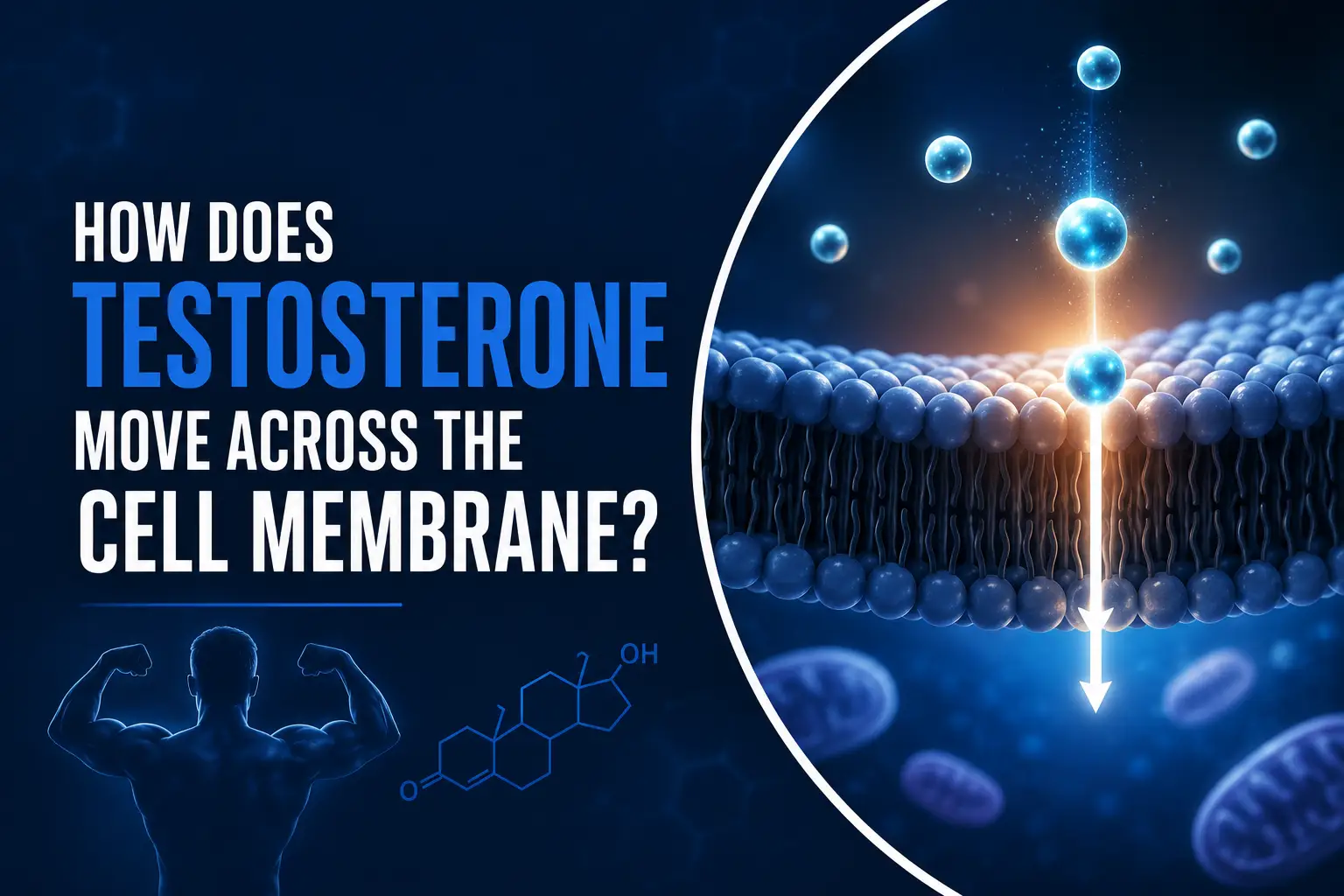
TL;DR — Key Takeaways Testosterone crosses the cell membrane mainly by passive (simple) diffusion. It can do this because it’s a lipid-soluble steroid hormone, it dissolves through the fatty phospholipid bilayer, no
TL;DR — Key Takeaways Testosterone crosses the cell membrane mainly by passive (simple) diffusion. It can do this because it’s a lipid-soluble steroid hormone, it dissolves through the fatty phospholipid bilayer, no
TL;DR — Key Takeaways No, saunas don’t meaningfully increase testosterone. Studies show no significant change in testosterone, LH, or FSH from regular sauna use. Saunas don’t lower testosterone either, but they do boost
TL;DR — Key Takeaways Yes, calisthenics can increase testosterone, but only when training is intense. Hard compound bodyweight moves (pull-ups, dips, pistol squats) near failure trigger an acute testosterone rise. One 8-week study saw resting testosterone rise ~24% with
TL;DR — Key Takeaways Boxing may cause a short-term testosterone bump from intense exercise but evidence is mixed. Studies on actual boxing matches often show no significant lasting change in testosterone. The bigger benefit is indirect, boxing
TL;DR — Key Takeaways The evidence-based dose is 250 mg of purified shilajit twice a day (500 mg/day). A 2015 clinical trial found this raised total testosterone ~20% over 90 days in men aged 45–55.
TL;DR — Key Takeaways Yes, low testosterone can cause anemia. Testosterone drives red blood cell production, so low T can lower red-cell counts. It’s a recognized cause of “unexplained” anemia, especially in older
TL;DR — Key Takeaways Porn may cause a small, temporary testosterone rise through sexual arousal, nothing lasting. It does not meaningfully or permanently raise your testosterone. The evidence is weak, based on tiny studies (samples of
TL;DR — Key Takeaways Yes, but only as prescribed TRT for a diagnosed medical condition (like low testosterone), never for performance. It often requires a waiver plus command and medical-board approval to stay deployable. You must disclose prescribed testosterone
TL;DR — Key Takeaways Red light therapy (photobiomodulation) for testosterone is emerging and unproven in humans. The theory, red/near-infrared light may stimulate the testes’ Leydig cells (via mitochondria) to make more testosterone. Animal
TL;DR — Key Takeaways No, ipamorelin does not directly increase testosterone. It’s a growth hormone secretagogue: it tells your pituitary to release more growth hormone (GH). GH and testosterone run on different
