






Does insurance pay for TRT? This critical question weighs on the minds of thousands of men experiencing symptoms of low testosterone—from chronic fatigue and decreased libido to muscle loss and cognitive fog. The answer isn’t straightforward, as insurance coverage for testosterone replacement therapy depends on your diagnosis, testosterone levels, insurance provider, and how thoroughly you document medical necessity. This comprehensive guide reveals everything you need to know about TRT insurance coverage, costs, approval requirements, and strategies for overcoming denials.
Understanding TRT Insurance Coverage Requirements

Does insurance pay for TRT in most cases? Yes, but only when treatment meets strict medical necessity standards. Insurance companies require concrete evidence that testosterone replacement therapy is essential for your health, not optional wellness care.
The Medical Necessity Standard
Insurance providers typically cover TRT when patients meet these criteria:
Laboratory Evidence: Most insurers require testosterone levels below 300-350 ng/dL, confirmed through at least two separate early-morning blood tests taken on different days. This dual-testing requirement eliminates false readings caused by temporary factors like illness, stress, or inadequate sleep.
Documented Symptoms: Blood work alone isn’t sufficient. Patients must demonstrate clear hypogonadism symptoms including low libido, erectile dysfunction, chronic fatigue, decreased muscle mass, mood disturbances, difficulty concentrating, and reduced bone density.
Medical Diagnosis: A healthcare provider must diagnose clinical hypogonadism after ruling out other potential causes. This often involves additional hormone testing, including luteinizing hormone (LH) and follicle-stimulating hormone (FSH) levels, to determine whether the condition stems from testicular failure or pituitary/hypothalamic dysfunction.
Prior Authorization: Most plans require prior authorization before approving TRT coverage, which is often the deciding factor when patients ask does insurance pay for TRT. Your physician must submit detailed documentation explaining why TRT is medically necessary, including lab results, symptom history, and treatment rationale.
Does Insurance Pay for TRT? The Medical Necessity Standard

Does insurance pay for TRT in most cases? Yes, but only when the treatment meets strict criteria for medical necessity. Insurance companies don’t view testosterone replacement therapy as optional wellness care—they require concrete medical evidence that treatment is essential for your health.
Primary Coverage Requirements
Insurance providers typically cover TRT when these conditions are met:
Laboratory Evidence: Most insurers require testosterone levels below 300-350 ng/dL, confirmed through at least two separate early-morning blood tests taken on different days. This dual-testing requirement helps eliminate false readings caused by temporary factors like illness, stress, or inadequate sleep.
Documented Symptoms: Blood work alone isn’t sufficient. Patients must demonstrate clear symptoms of hypogonadism, which commonly include low libido, erectile dysfunction, chronic fatigue, decreased muscle mass and strength, mood disturbances, difficulty concentrating, and reduced bone density.
Medical Diagnosis: A healthcare provider must diagnose clinical hypogonadism after ruling out other potential causes of low testosterone. This often involves additional hormone testing, including luteinizing hormone (LH) and follicle-stimulating hormone (FSH) levels, to determine whether the condition stems from primary testicular failure or secondary pituitary/hypothalamic dysfunction.
Prior Authorization: Most insurance plans require prior authorization before approving TRT coverage. Your physician must submit detailed documentation explaining why TRT is medically necessary for your specific situation, including lab results, symptom history, and treatment rationale.
Which TRT Formulations Does Insurance Cover?

Not all testosterone replacement methods receive equal insurance treatment, which is why many patients ask does insurance pay for TRT the same way across all options. Understanding coverage differences significantly impacts out-of-pocket costs.
Injectable Testosterone (Most Commonly Covered): Generic testosterone cypionate and enanthate represent the most cost-effective options, typically costing $40-$150 monthly with insurance. Most formularies place injectables in lower cost-sharing tiers.
Topical Gels and Creams (Higher Tier): Gels like AndroGel offer convenience but face higher copays ($50-$150+) or require step therapy. Some insurers deny coverage entirely unless patients demonstrate injection intolerance.
Testosterone Pellets (Limited Coverage): Pellet implants (Testopel) face restrictive coverage. Most plans require documented failure of multiple other formulations before approval, with $200-$500 out-of-pocket costs.
How Different Insurance Types Handle TRT Coverage
Does insurance pay for TRT differently based on your plan type? Absolutely. Coverage policies vary dramatically across insurance categories.
Private Health Insurance
Private insurers including Blue Cross Blue Shield, UnitedHealthcare, Aetna, and Cigna generally cover TRT when medical necessity criteria are satisfied. Most require confirmed low testosterone through lab testing, documented symptoms, and prior authorization. Generic injectable testosterone typically receives preferred formulary placement, while topical gels face higher cost-sharing tiers.
Medicare Coverage for TRT
Does insurance pay for TRT under Medicare? Yes, Medicare covers testosterone replacement therapy when medically necessary, but coverage mechanics depend on administration method.
Medicare Part B: Covers TRT administered by medical professionals in outpatient settings. After meeting your Part B deductible ($257 in 2025), Medicare pays 80% of approved costs while beneficiaries pay 20% coinsurance.
Medicare Part D: Covers self-administered TRT medications including at-home injections, gels, patches, and oral formulations. Coverage depends on your specific Part D plan’s formulary. Starting in 2025, Part D includes a $2,000 annual out-of-pocket maximum, providing financial protection for beneficiaries.
Important Exclusions: Medicare won’t cover TRT for age-related testosterone decline or when contraindications exist, such as recent cardiovascular events, untreated prostate cancer, or hematocrit levels exceeding 48%.
Medicaid Coverage
Medicaid coverage for TRT varies dramatically by state, which often leads patients to ask does insurance pay for TRT under Medicaid plans. Some states provide comprehensive coverage when medical necessity is documented, while others impose strict limitations or exclude TRT entirely. Most states favoring lower-cost injectable testosterone require prior authorization.
Common Reasons Insurance Denies TRT Coverage

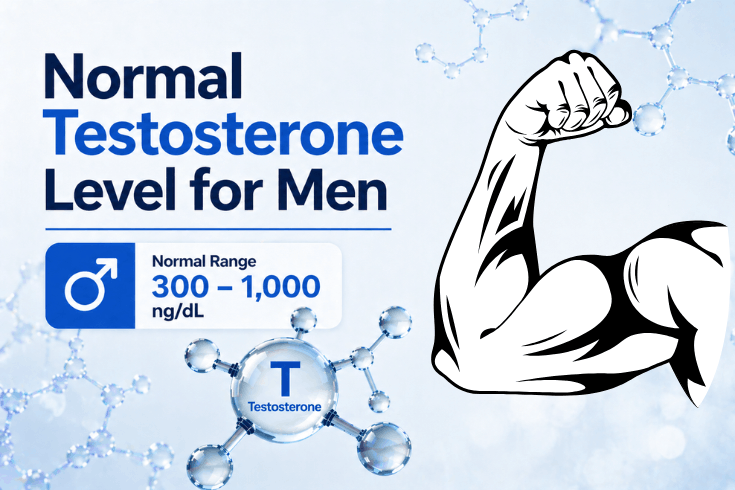
Testosterone Levels in “Normal” Range: Insurance often denies coverage if lab results fall within 300–1,000 ng/dL, even with clear symptoms, which often raises the question does insurance pay for TRT in borderline cases. Insurers view treatment as unnecessary when testosterone exceeds specific thresholds.
Insufficient Documentation: Missing information might include only one testosterone test instead of two, outdated lab results, absent symptom documentation, or failure to rule out other conditions.
Age-Related Decline: Many insurers explicitly exclude coverage for age-related low testosterone, viewing it as normal aging rather than pathological hypogonadism.
Off-Label Uses: TRT for performance enhancement, bodybuilding, or anti-aging without diagnosed hypogonadism faces certain denial.
No Prior Authorization: Submitting claims without required prior authorization almost guarantees denial.
Out-of-Pocket Costs: What You’ll Actually Pay
Does insurance pay for TRT completely? Even with coverage, patients face multiple cost categories.
With Insurance Coverage
Typical Costs: $20-$75 monthly copay for generic injectables; $50-$150 for brand-name or topical formulations; $20-$50 copay for office visits; $0-$100 for lab testing depending on plan.
Total Estimated Monthly Cost with Insurance: $30-$150, depending on plan specifics and treatment type.
Without Insurance Coverage
Medication Costs: Injectable testosterone (generic): $40-$150 monthly; Topical gels: $150-$500 monthly; Testosterone pellets: $500-$1,000 per procedure; Oral testosterone: $800-$2,000 monthly.
Medical Appointments: Initial consultation: $100-$500; Follow-up visits: $75-$150 each.
Laboratory Testing: Initial hormone panel: $150-$300; Ongoing monitoring: $50-$150 per test (every 3-6 months).
Total Estimated Monthly Cost Without Insurance: $150-$500+, with annual costs easily exceeding $2,000-$6,000.
Step-by-Step Guide: Getting Insurance Approval
Step 1: Verify Coverage
Call your insurance company and ask: Does your plan cover TRT? What are requirements? Which formulations are covered? What are expected copays? This is also the best time to clarify does insurance pay for TRT under your specific policy.
Step 2: Complete Testing
Obtain two separate early-morning testosterone blood tests, comprehensive hormone panel (total testosterone, free testosterone, LH, FSH), and complete blood count.
Step 3: Document Symptoms
Create detailed records of fatigue duration, libido changes, mood alterations, cognitive difficulties, and muscle mass changes.
Step 4: Submit Prior Authorization
Your provider should submit comprehensive documentation including lab results, clinical notes, medical history, and treatment rationale.
Step 5: Follow Up
Contact your insurance company and provider weekly to check authorization status.
What to Do If Coverage Gets Denied
Insurance denials are common but often reversible. Review your Explanation of Benefits identifying specific denial reasons: medical necessity not established, incomplete documentation, policy exclusions, or insufficient lab results, which often leads people to ask does insurance pay for TRT in their specific situation.
Level 1 Appeal: Submit additional documentation—new lab results, detailed symptom records, comprehensive medical necessity letter, and clinical guideline references.
Peer-to-Peer Review: Request your physician speak with the insurer’s medical director. Doctor conversations often resolve denials effectively.
External Review: Most states require insurers to offer independent review by impartial medical experts who frequently overturn denials.
State Complaint: Filing with your state insurance department can motivate reconsideration.
Cost-Saving Strategies for TRT
Use HSA or FSA: TRT expenses qualify for tax-advantaged accounts, reducing costs 20–30% using pre-tax dollars for those evaluating does insurance pay for TRT or managing out-of-pocket expenses.
Shop Cash Prices: Pharmacy pricing varies dramatically. Compare major chains versus independent pharmacies—some cash prices beat insurance copays.
Discount Programs: GoodRx and SingleCare offer discount cards reducing cash prices substantially.
Telehealth Clinics: Online subscription models ($149-$299 monthly) may cost less than traditional pathways for uninsured patients.
Choose Generic: Generic testosterone cypionate costs dramatically less than brand-name alternatives with identical effectiveness.
Conclusion: Successfully Navigating TRT Insurance Coverage
Does insurance pay for TRT? For patients with documented clinical hypogonadism meeting medical necessity criteria, the answer is yes—though approval requires persistence, thorough documentation, and understanding insurance requirements. Success depends on obtaining proper laboratory evidence (two morning tests below 300-350 ng/dL), documenting clear symptoms affecting quality of life, working with knowledgeable providers, completing required prior authorization, and being prepared to appeal denials.
While insurance coverage significantly reduces TRT costs—often bringing monthly expenses from $200-$500+ down to $30-$150—expect some out-of-pocket spending even with excellent insurance. Understanding your plan’s formulary, coverage requirements, and cost-sharing structure sets realistic financial expectations.
For men struggling with low testosterone symptoms, don’t let insurance confusion delay treatment. Start by consulting your healthcare provider about testing, understand coverage details by calling your insurer directly, document symptoms thoroughly to build strong medical necessity, prepare for potential appeals, and explore cost-saving options including HSA/FSA accounts and generic formulations if you are asking does insurance pay for TRT in your situation.
The complexity of insurance coverage should never prevent men from accessing medically necessary testosterone replacement therapy. With proper preparation, documentation, and persistence, most patients successfully navigate the insurance process and obtain coverage for TRT that dramatically improves quality of life. If you’re experiencing low testosterone symptoms, take the first step today: schedule comprehensive testing with your healthcare provider and begin the conversation about whether TRT might be appropriate for your situation.
FAQ Section
Does insurance pay for TRT if my testosterone is low but still in normal range?
Most insurance companies will not cover TRT when testosterone levels fall within the normal reference range (typically 300-1,000 ng/dL), even if you experience symptoms. Insurers generally require testosterone levels below 300 ng/dL confirmed through multiple tests before considering coverage. However, some plans may approve coverage for levels slightly above 300 ng/dL when accompanied by severe symptoms and compelling medical documentation.
How long does TRT insurance approval typically take?
Prior authorization for TRT typically takes 14-30 days, though timeframes vary by insurance company. Complex cases requiring additional documentation or medical review may take longer. Urgent requests can sometimes be expedited, though TRT rarely qualifies for urgent processing since it’s not immediately life-threatening. Contact your insurance company weekly to check authorization status and prevent unnecessary delays.
Can I use my HSA or FSA to pay for TRT?
Yes, testosterone replacement therapy generally qualifies as an eligible medical expense for Health Savings Accounts (HSA) and Flexible Spending Accounts (FSA). You can use these tax-advantaged accounts to pay for TRT medications, doctor visits, and related lab testing. Using HSA/FSA funds effectively reduces your TRT costs by 20–30% depending on your tax bracket since these accounts use pre-tax dollars, which is especially helpful for those asking does insurance pay for TRT or looking for ways to lower out-of-pocket expenses.
What should I do if my insurance covers only injections but I want gels?
If your insurance covers only injectable testosterone but you prefer topical gels, you have several options: work with your physician to document medical reasons why injections are unsuitable (such as injection anxiety, skin reactions at injection sites, or medical contraindications), try injections first and document if they cause intolerable side effects or fail to adequately control symptoms, appeal the denial providing medical justification for gel therapy, or consider self-pay options for gels using discount programs or telehealth services if costs are manageable when evaluating does insurance pay for TRT based on formulation.
Does Medicare cover all types of TRT?
Medicare provides coverage for medically necessary TRT but with important limitations. Medicare Part B covers testosterone injections administered in doctor’s offices or outpatient settings (paying 80% after deductible). Medicare Part D covers self-administered medications including at-home injections, gels, patches, and oral formulations based on your specific Part D plan’s formulary. Medicare will not cover TRT for age-related testosterone decline or when certain health contraindications exist, including recent heart attacks, strokes, untreated prostate cancer, or hematocrit levels exceeding 48%, which is important to understand when asking does insurance pay for TRT under Medicare plans.
Can I appeal if my TRT insurance claim gets denied?
Yes, you absolutely can and should appeal TRT insurance denials, especially if you are questioning does insurance pay for TRT in your case. Most denials can be overturned through persistent appeals with proper documentation. The appeals process typically includes an internal review level (submitting additional medical documentation), peer-to-peer physician review (your doctor speaks directly with insurance medical directors), external independent review (impartial medical experts evaluate your case), and state insurance department complaints (for cases involving potential regulation violations). Success rates improve significantly when appeals include comprehensive documentation addressing the specific denial reason.
Are there cheaper TRT alternatives if insurance won’t cover it?
If insurance denies TRT coverage or costs remain prohibitively high, consider these alternatives: generic injectable testosterone (most affordable at $40–$100 monthly without insurance), telehealth TRT programs offering all-inclusive subscription pricing ($149–$299 monthly including consultations, labs, and medication), prescription discount programs like GoodRx reducing cash pharmacy prices by 50–80%, patient assistance programs from pharmaceutical manufacturers for eligible uninsured patients, shopping different pharmacies as prices vary significantly between chains and independent pharmacies, or using HSA/FSA accounts to pay with pre-tax dollars effectively reducing costs 20–30%—especially helpful for those wondering does insurance pay for TRT in their specific situation.