Does TRT Make You Aggressive? The Science vs. the Stereotype
Does TRT make you aggressive? This question comes up more than almost any other when men first consider testosterone replacement therapy. The concern is understandable. For decades, pop culture has firmly linked testosterone to rage, explosive behavior, and violence. But clinical research consistently tells a different story.
In our practice at TRT NYC, the men who worry most about TRT and aggression are often the same men who report feeling calmer, more patient, and more emotionally stable after treatment. This article covers what the evidence actually shows, where the stereotype originated, and what factors genuinely influence mood on TRT.
Where the Aggression Stereotype Comes From
The connection between testosterone and aggression did not originate in TRT clinics. It came from sports doping culture in the 1980s and 1990s. Athletes and bodybuilders who took massive, unsupervised doses of synthetic anabolic steroids sometimes experienced violent mood swings and erratic behavior. Sports media labeled this “roid rage,” and the phrase became cultural shorthand for what testosterone supposedly does to the human mind.
However, anabolic steroids are not TRT;
- The doses, goals, and physiological consequences are entirely different categories.
- TRT aims to restore testosterone to a healthy, normal range.
- Anabolic steroid abuse drives testosterone far beyond any natural ceiling.
Conflating the two is how the aggression myth traveled from gym culture into mainstream medical conversation. Men who come to us often ask about this comparison directly. We consistently explain that understanding the difference between TRT and anabolic steroids is the single most important step in evaluating whether TRT and aggression are actually linked.
TRT vs. Anabolic Steroids: Why the Comparison Fails
The dose gap between therapeutic TRT and anabolic steroid abuse is not marginal. It is enormous. Standard TRT uses testosterone cypionate or enanthate at roughly 100 to 200 milligrams per week.
| Factor | Therapeutic TRT | Anabolic Steroid Abuse |
|---|---|---|
| Weekly dose | 100-200 mg | 500-2,000+ mg |
| Goal | Restore normal hormone levels | Push far beyond physiological ceiling |
| Medical oversight | Required | None |
| Target testosterone level | Low-to-normal physiological range | 3-10x above normal |
| Documented mood effect | Generally improved | Can destabilize significantly |
Therapeutic TRT works within the body’s normal hormonal range. Anabolic steroid abuse forces it several times beyond. Think of the difference between drinking enough water to stay hydrated versus drinking three gallons in a single sitting.
What Clinical Research Shows About TRT and Aggression
The Study Data That Settled the Question
A meta-analysis published in Hormones and Behavior reviewed controlled trials examining testosterone administration and aggressive behavior in humans. Researchers found that TRT did not significantly increase aggression in most participants. NIH researchers evaluating the broader evidence reached a similar conclusion. The testosterone-aggression relationship in humans is far weaker, more contextual, and more conditional than decades of popular coverage had suggested.
Researchers also note an important nuance. Testosterone appears to enhance status-seeking behavior, both competitive and cooperative, rather than pure hostility. Men who feel more motivated and confident on TRT are not displaying aggression. They are responding to normalized hormone levels in ways the physiology was designed to support.
When Testosterone Can Influence Behavior
Research does identify one specific exception. A study on exogenous testosterone found that supraphysiologic doses can amplify aggression, but specifically in men who already score high on dominance and impulsivity measures. This finding applies only to doses far beyond the therapeutic range. Standard clinical TRT does not approach those levels. Researchers also found that cortisol levels and social context both moderated the effect. Testosterone was not acting alone, and behavior is rarely explained by a single hormone in isolation.
Low Testosterone Is the Real Cause of Irritability in Many Men
Here is what most TRT and aggression articles miss entirely:
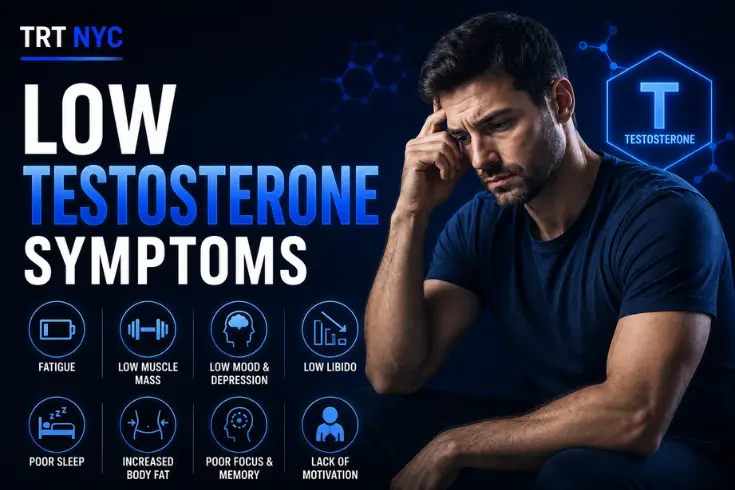
- Untreated low testosterone is itself a recognized driver of irritability, mood instability, and emotional volatility in men.
- When testosterone falls below healthy levels, the brain’s mood regulation pathways are directly disrupted.
- Men with low T frequently describe feeling short-tempered, easily provoked, and unable to manage everyday stress the way they once did.
From the outside, this pattern can resemble aggression. But the cause is hormonal deficiency, not excess testosterone. Recognizing the signs of low testosterone in men helps explain why so many patients report the opposite of the stereotype after starting TRT. They describe feeling more grounded, more patient, and better equipped to regulate their emotional responses.
The clinical connection runs deeper than simple irritability. There is a well-documented relationship between low testosterone and depression, and treating the hormonal deficit frequently improves emotional regulation alongside mood. For many men, the irritability they experienced before TRT was always the symptom of low T, not a preview of what TRT would cause.
What Other Guides Don’t Cover: Estrogen’s Role in TRT Mood Changes
Most discussions of TRT and aggression focus entirely on testosterone. They consistently overlook a critical variable: estrogen.
When testosterone rises on TRT, the body converts a portion of it into estradiol through a natural process called aromatization. If estradiol climbs too high relative to testosterone, men can experience irritability, anxiety, and mood instability. The symptoms are real and clinically recognized. But they result from hormonal imbalance, specifically from high estradiol, not from testosterone itself.
This is why proper monitoring throughout TRT matters. Understanding how anastrozole is used in TRT management shows how experienced clinicians maintain the hormonal balance that supports stable mood. A physician who tracks estradiol alongside testosterone at every follow-up appointment can identify and correct this imbalance before mood symptoms develop or persist.
Who Should Monitor Their Mood During TRT
TRT is not appropriate for every man, and mood is one area that deserves careful, ongoing tracking. Some men benefit from closer follow-up than others.
Men who warrant additional attention during TRT include:
- Men with a prior history of impulse control difficulties or mood disorders
- Men whose estradiol levels are not being regularly checked
- Men adjusting their dose without direct physician guidance
- Men taking additional compounds alongside their TRT prescription
For the majority of patients, the documented benefits of TRT include emotional stability alongside the physical improvements most men focus on. However, individual responses do vary, and a qualified physician should evaluate your specific situation both before you start and at regular intervals throughout treatment.
If you notice mood changes after starting TRT, report them to your provider promptly. Dosage adjustments or addressing estrogen balance typically resolve symptoms faster than most men expect. Reviewing the full range of TRT side effects helps you understand what to track and when to raise concerns with your care team.
Frequently Asked Questions About TRT and Aggression
Does TRT cause roid rage?
No. Roid rage is associated with anabolic steroid abuse at supraphysiologic doses, not with therapeutic TRT. Clinical TRT restores testosterone to a normal physiological range and does not approach the dose levels that research has linked to aggressive behavior. Multiple controlled studies and published meta-analyses have found no significant aggression increase in men receiving therapeutic testosterone under medical supervision.
Can TRT make you angry if your testosterone levels are already normal?
If your testosterone is already within a healthy range and you add TRT without a clinical indication, hormonal disruption becomes more likely. Testosterone elevated above the upper normal range carries a higher risk of mood instability than restoring depleted levels does. TRT is designed for men with confirmed low testosterone, not for men who are already functioning within a normal baseline.
Why do some men feel irritable when they first start TRT?
Early irritability during TRT usually results from hormonal fluctuation as levels stabilize across the first few weeks. Elevated estradiol during the adjustment period is another common contributing factor. Most men find this resolves without intervention. Your physician can assess your labs and make protocol adjustments if early irritability does not improve on its own within the first month or so.
Does low testosterone cause mood problems?
Yes. Low testosterone is directly linked to irritability, depression, fatigue, and emotional instability in men. Men with untreated low T often feel short-tempered and unable to manage everyday stress effectively. TRT frequently resolves these mood symptoms by addressing the underlying hormonal deficiency. The clinical connection between low testosterone and depression is well established across multiple published studies.
Is TRT appropriate for men with existing mood or anger issues?
Men with mood conditions should discuss this carefully with their physician before starting TRT. For men whose anger or emotional volatility is rooted in low testosterone, TRT can lead to meaningful mood improvements. It is not automatically off-limits for men with mood disorders. However, it requires careful monitoring and a clinician with experience in hormonal health management to ensure safe and effective outcomes.
How long before TRT improves mood?
Most men notice mood improvements within four to six weeks of starting TRT. Energy and irritability often improve first, followed by broader emotional stabilization over the next two to three months. Full hormonal balance generally takes three to six months to establish. Regular lab monitoring throughout this period ensures your levels stay within the therapeutic range and your protocol is adjusted as needed.
Does estrogen affect mood on TRT?
Yes. Elevated estradiol is one of the most underrecognized factors in TRT-related mood discussions. When estrogen rises too high during treatment, men experience irritability, anxiety, and emotional instability. This is a hormonal imbalance issue, not a direct testosterone effect. Proper estrogen monitoring and management through lab work and clinical adjustments resolves these symptoms for most men on a well-supervised protocol.
Should I be worried about becoming aggressive on TRT?
For most men receiving medically supervised TRT, no. Clinical evidence consistently shows that therapeutic TRT improves mood and emotional stability rather than causing aggression. Does TRT make you aggressive when properly managed? The research says this is not a meaningful concern for the vast majority of men on therapeutic doses. A qualified physician can assess your individual profile and help you understand what to monitor throughout your treatment.
Conclusion:
Does TRT make you aggressive? The clinical evidence is clear: therapeutic TRT does not meaningfully increase aggression in most men. The stereotype was built on anabolic steroid abuse, not on medically supervised testosterone replacement therapy.
For men whose irritability was already being driven by low Testosterone, TRT addresses the root cause rather than creating a new problem. If you want to understand whether low testosterone may be contributing to mood changes in your own life, the team at TRT NYC provides comprehensive hormone evaluations and individualized treatment plans. Visit TRTNYC.com to learn more about how we approach men’s hormonal health.
Medical Disclaimer: The information provided on this page is for educational purposes only and does not constitute medical advice, diagnosis, or treatment recommendations. Always consult a qualified and licensed healthcare provider before beginning any hormone therapy or making changes to your current treatment plan. TRT NYC is a medical practice licensed in New York State. Individual outcomes vary based on individual health factors.