Introduction: Is It Age or Is It Low Testosterone?
You’ve hit your 40s, and something feels… off. Your energy isn’t what it used to be. Your motivation at the gym has quietly packed up and left. Your interest in sex has dropped, and your mood swings more than it ever did before. You chalk it up to “just getting older” but is that really all it is?
Low testosterone in men over 40 is far more common than most people realize, and it’s often dismissed or misunderstood. While some degree of hormonal change is a natural part of aging, certain symptoms cross a line from “normal aging” into a medical concern that deserves attention. Recognizing that difference can be life-changing.
This guide breaks down the most common low testosterone symptoms in men over 40, helps you understand what’s part of the natural aging process and what isn’t, and explains how treatments like testosterone replacement therapy (TRT) may help reclaim quality of life. If you’ve been feeling like a shadow of your former self, keep reading this article was written for you.
What Is Low Testosterone and Why Does It Happen After 40?
Testosterone is the primary male sex hormone responsible for muscle growth, bone density, red blood cell production, sexual drive, and even mood regulation. It plays a central role in what makes men feel vital, strong, and energized throughout their lives.
From your late 20s onwards, testosterone levels naturally begin to decline slowly at first, then more noticeably after the age of 40. On average, men experience a drop of approximately 1–2% per year after their 30s. This gradual decline is called andropause or, more clinically, late onset hypogonadism.
However, some men experience a steeper or faster decline than what would be considered typical. When testosterone levels fall below the normal clinical threshold generally considered to be below 300 ng/dL it is classified as low testosterone, also known as low T or hypogonadism.
Several factors can accelerate testosterone decline in men over 40, including:
- Obesity and excess body fat, which increases estrogen conversion
- Chronic stress, which elevates cortisol and suppresses testosterone production
- Poor sleep quality or sleep apnea, which disrupts hormonal cycles
- Sedentary lifestyle and lack of resistance training
- Underlying health conditions such as type 2 diabetes, hypothyroidism, or metabolic syndrome
- Medications including opioids, corticosteroids, and some antidepressants
Understanding why it happens is the first step toward understanding whether what you’re experiencing is natural aging or something that warrants medical attention.
Common Low Testosterone Symptoms in Men Over 40
Low testosterone doesn’t arrive with a neon sign. Its symptoms are often subtle, gradual, and easy to mistake for general tiredness, work stress, or the inevitable effects of aging. This is precisely why so many men go undiagnosed for years.
Here is a broad overview of the most commonly reported symptoms associated with low T in men over 40:
| Category | Symptom |
|---|---|
| Sexual Health | Reduced libido, erectile dysfunction, decreased semen volume |
| Physical | Fatigue, muscle loss, increased body fat, reduced bone density |
| Mental/Emotional | Depression, brain fog, irritability, poor concentration |
| Metabolic | Weight gain (especially around the abdomen), insulin resistance |
| Sleep | Insomnia, disrupted sleep cycles |
| Other | Hair thinning, hot flashes, reduced body hair |
While having one or two of these symptoms doesn’t automatically mean you have low T, experiencing multiple symptoms together especially over a sustained period is a strong reason to consult a healthcare provider and have your hormone levels tested.
Physical Symptoms You Should Never Ignore
Persistent Fatigue That Sleep Doesn’t Fix
This is one of the most commonly reported and most disruptive signs of low testosterone. Unlike ordinary tiredness after a long day, testosterone-related fatigue is a deep, pervasive exhaustion that doesn’t improve with rest. Men describe it as feeling “drained before the day even starts.” This kind of fatigue has a significant impact on productivity, relationships, and overall quality of life.
Loss of Muscle Mass and Strength
Testosterone is directly responsible for maintaining lean muscle tissue. When levels drop, the body begins to lose muscle more easily even if you continue exercising. Men with low T often notice that their workouts feel harder, recovery takes longer, and gains they once made seem to slip away. This muscle loss, also known as sarcopenia, accelerates after 40 and is one of the clearest biological markers of declining testosterone.
Increased Body Fat Especially Around the Abdomen
As testosterone drops, fat distribution in the body shifts. Men with low T tend to accumulate fat around the belly and chest a pattern that’s not just cosmetically concerning but also metabolically dangerous. Excess abdominal fat is associated with higher risks of cardiovascular disease, insulin resistance, and further hormonal disruption. Critically, body fat itself converts testosterone to estrogen, creating a self-reinforcing cycle that worsens low T over time.
Reduced Bone Density
Testosterone plays an important role in maintaining bone mineral density. Low levels over extended periods can lead to osteoporosis, significantly increasing the risk of fractures — especially in the hips, spine, and wrists. This is a symptom that often goes unnoticed until a fracture occurs, which is why early testing and intervention are important for men in their 40s.
Declining Sexual Function and Libido
A noticeable and persistent drop in sex drive is one of the hallmark symptoms of low testosterone. This goes beyond occasional disinterest men with low T often report a complete absence of sexual desire, difficulty achieving or maintaining erections, and a general disconnection from intimacy. While erectile dysfunction has multiple possible causes, testosterone deficiency is a common underlying factor that is frequently overlooked.
Emotional and Mental Health Symptoms of Low T {#mental-health-symptoms}
Depression and Low Mood
Testosterone has a direct influence on the brain’s neurotransmitter systems, including those that regulate mood. Men with low T frequently experience mild to moderate depression, feelings of hopelessness, and a loss of enjoyment in activities they once found fulfilling. What makes this especially challenging is that depression related to low testosterone often doesn’t respond well to standard antidepressant treatments because the root cause is hormonal, not purely psychological.
Brain Fog and Poor Concentration
Cognitive symptoms are among the most underreported aspects of low testosterone. Men describe difficulty with memory recall, trouble staying focused, slower processing speed, and a general sense of mental cloudiness. These cognitive changes can affect professional performance, daily decision-making, and overall confidence.
Irritability and Mood Swings
Testosterone doesn’t just affect drive and energy it’s deeply tied to emotional stability. Low levels are associated with increased irritability, a shorter fuse, and heightened emotional reactivity. Some men find themselves snapping at loved ones or feeling disproportionately frustrated by small inconveniences. These behavioral shifts are often attributed to stress or personality, when in reality, they may have a hormonal basis.
Reduced Motivation and Drive
One of the more subtle but deeply impactful symptoms is a loss of competitive drive, ambition, and motivation. Men who were once goal-oriented and energetic describe a growing sense of apathy. Things that once excited them career achievements, hobbies, fitness goals — feel flat or meaningless. This is not simply a “midlife attitude shift”; it can be a direct consequence of hormonal imbalance.
What’s Normal Aging vs. What’s Actually Low Testosterone?
One of the most important questions men over 40 ask is: “Is what I’m experiencing just part of getting older?” Here’s a practical comparison to help distinguish between the two:
| Experience | Normal Aging | Low Testosterone |
|---|---|---|
| Energy levels | Slightly less energy, manageable | Severe, daily fatigue unresponsive to rest |
| Libido | Moderate, gradual decrease | Significant or near-total loss of sex drive |
| Muscle tone | Slower gains, mild loss | Noticeable, rapid muscle loss despite exercise |
| Mood | Occasional low mood or stress | Persistent depression, irritability, apathy |
| Weight | Slight increase in body fat | Significant abdominal weight gain |
| Cognitive function | Occasional forgetfulness | Frequent brain fog, memory and focus issues |
| Sleep | Slightly less deep sleep | Chronic insomnia or disrupted sleep cycles |
If your symptoms are mild and manageable, they may simply reflect natural aging. But if they are severe, persistent, and affecting multiple areas of your life simultaneously, they warrant a proper evaluation because low testosterone is a treatable medical condition, not an inevitable life sentence.
How Is Low Testosterone Diagnosed?
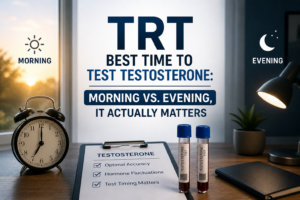
Diagnosis begins with a simple blood test to measure total testosterone levels. Testing is typically done in the morning, when levels are at their highest. A single test result below the normal range should be confirmed with a second blood test on a different day before a diagnosis is made.
A comprehensive evaluation may also include:
- Free testosterone levels (the biologically active fraction)
- LH and FSH levels (to determine if the issue originates in the pituitary gland or testes)
- SHBG (Sex Hormone Binding Globulin) to assess bioavailability
- Prolactin levels and thyroid function
- Complete metabolic panel, including glucose and lipid profile
It’s important that diagnosis is not based on symptoms alone. A qualified healthcare provider will interpret your blood work in the context of your full medical history, symptoms, age, and lifestyle before recommending any treatment.
Low Testosterone Treatment Options: Where Does TRT Fit In?
Once low testosterone is confirmed, several treatment approaches exist. The most clinically established is testosterone replacement therapy (TRT), which aims to restore hormone levels to a healthy, physiologically normal range.
TRT is available in several forms:
- Injections (intramuscular or subcutaneous) — administered weekly or bi-weekly
- Topical gels or creams — applied daily to the skin
- Transdermal patches — worn on the skin and changed daily
- Pellets — implanted under the skin every 3–6 months
- Oral or buccal tablets — less common, taken daily
Each delivery method has its own set of advantages and considerations. The right choice depends on your lifestyle, preferences, convenience, and your doctor’s clinical assessment.
Benefits and Risks of Testosterone Replacement Therapy
TRT Benefits
When properly administered and monitored, testosterone replacement therapy offers a range of clinically recognized benefits for men with confirmed low T:
- Improved energy and reduced fatigue
- Increased muscle mass and physical strength
- Enhanced libido and sexual performance
- Improved mood, motivation, and emotional stability
- Better cognitive clarity and focus
- Reduction in body fat, particularly visceral abdominal fat
- Improved bone mineral density
- Better metabolic health markers, including insulin sensitivity
TRT Side Effects and Risks
TRT is not without risks, and responsible decision-making requires understanding both sides. Potential TRT side effects include:
- Polycythemia: (elevated red blood cell count), which increases clotting risk
- Testicular shrinkage and reduced sperm production: relevant for men concerned about TRT fertility
- Acne and oily skin
- Fluid retention and mild swelling
- Sleep apnea exacerbation
- Potential impact on cardiovascular health: though evidence remains nuanced
Ongoing monitoring through regular blood tests is essential to manage these risks effectively. TRT safety is greatly enhanced when overseen by an experienced healthcare provider who adjusts doses and monitors key biomarkers.
Lifestyle Changes That Can Support Healthy Testosterone Levels
Before or alongside any medical intervention, lifestyle optimization is a powerful and often underutilized tool for supporting hormonal health:
- Resistance training: Heavy compound exercises (squats, deadlifts, bench press) are among the most effective natural testosterone stimulants
- Prioritize sleep: Aim for 7–9 hours of quality sleep per night; testosterone is primarily produced during deep sleep
- Reduce body fat: Even a modest reduction in abdominal fat can meaningfully improve testosterone levels
- Manage stress: Chronic cortisol elevation is a direct enemy of testosterone; mindfulness, breathing exercises, and workload management all help
- Optimize nutrition: Adequate dietary fat (especially from healthy sources), zinc, vitamin D, and magnesium all support testosterone production
- Limit alcohol: Excessive alcohol consumption significantly suppresses testosterone
- Avoid endocrine disruptors: Minimize exposure to BPA plastics, certain pesticides, and phthalates found in some personal care products
Frequently Asked Questions (FAQ)
Q: At what age does testosterone typically start declining in men?
Testosterone levels begin declining gradually from the late 20s, but the effects become more noticeable after 40, when the annual rate of decline increases and cumulative changes become clinically significant for many men.
Q: Can low testosterone cause weight gain in men over 40?
Yes. Low testosterone is directly linked to increased body fat accumulation, particularly in the abdominal region. This occurs because testosterone helps regulate fat metabolism and insulin sensitivity. As levels drop, fat storage increases creating a cycle that can further suppress testosterone.
Q: Is TRT safe for long-term use?
When properly managed and monitored by a qualified healthcare provider, long-term TRT can be safe and effective. Regular blood work monitoring is essential to track testosterone levels, red blood cell counts, and other health markers to minimize risks.
Q: Does TRT affect fertility?
Yes, TRT can suppress natural sperm production by signaling the brain to reduce the hormones that stimulate the testes. Men who wish to preserve fertility should discuss alternative options such as human chorionic gonadotropin (hCG) therapy with their doctor before starting TRT.
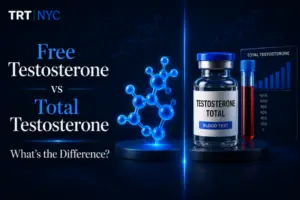
Q: What is the difference between total testosterone and free testosterone?
Total testosterone measures all testosterone in the blood, while free testosterone refers to the biologically active portion that isn’t bound to proteins. Some men have normal total testosterone but low free testosterone, which can still cause symptoms. A comprehensive evaluation should include both measurements.
Q: Can lifestyle changes alone raise testosterone levels significantly?
In men with mildly reduced levels, lifestyle interventions such as regular resistance training, improved sleep, weight loss, and stress management can produce meaningful improvements. However, in men with clinically low testosterone, lifestyle changes alone are usually insufficient and medical treatment like TRT is often required.
Conclusion
Low testosterone in men over 40 is a real, recognized medical condition — not simply an inevitable consequence of aging that must be silently endured. The symptoms, ranging from crushing fatigue and muscle loss to depression and diminished libido, can profoundly affect your health, relationships, and sense of self. Knowing the difference between normal aging and clinically low testosterone is the first and most important step.
The good news is that this is a thoroughly understood and highly treatable condition. From testosterone replacement therapy to evidence-based lifestyle changes, men today have access to effective options that can genuinely restore vitality, strength, and wellbeing.
If you recognize several of the symptoms described in this article, don’t self-diagnose or self-treat. Instead, take the empowered next step: speak with a qualified healthcare professional, get your hormone levels properly tested, and explore what the right course of treatment looks like for your unique situation.
Your health and quality of life after 40 don’t have to decline on someone else’s timeline.
Medical Disclaimer: This article is intended for educational purposes only and does not constitute medical advice, diagnosis, or treatment. Always consult a licensed healthcare provider before beginning any hormone therapy or making changes to your health regimen.