


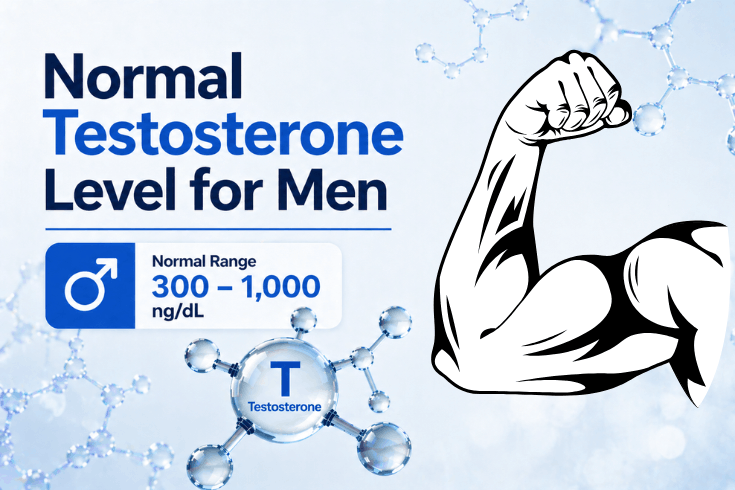



Enclomiphene on TRT has emerged as a game-changing strategy for men seeking the benefits of testosterone optimization while maintaining fertility and natural hormone production. This innovative combination addresses one of the most significant drawbacks of traditional testosterone replacement therapy: the suppression of natural testosterone production and sperm count. Understanding how enclomiphene on TRT works, its benefits, potential risks, and proper implementation can help men make informed decisions about their hormone health and reproductive future.
Understanding the Problem with Traditional TRT

Testosterone replacement therapy effectively treats low testosterone symptoms, but it comes with a significant trade-off. When you introduce external testosterone through TRT, your body’s natural feedback system shuts down endogenous production. The hypothalamic-pituitary-gonadal (HPG) axis detects adequate testosterone levels and stops signaling the testes to produce more.
This shutdown causes two major problems:
Fertility suppression: Within weeks to months of starting TRT, luteinizing hormone (LH) and follicle-stimulating hormone (FSH) levels plummet. Since these hormones drive sperm production, most men on traditional TRT experience severe oligospermia (low sperm count) or complete azoospermia (zero sperm), rendering them temporarily or sometimes permanently infertile.
Testicular atrophy: Without LH stimulation, the testes shrink—often by 20-30%. This testicular atrophy can be psychologically distressing and may complicate future attempts to restart natural production. The combination of enclomiphene and TRT specifically addresses these concerns by maintaining testicular stimulation even while using exogenous testosterone.
What Is Enclomiphene and How Does It Work?
Enclomiphene is a selective estrogen receptor modulator (SERM) that represents the isolated trans-isomer of clomiphene citrate. While clomiphene has been used off-label for male fertility for years, enclomiphene eliminates the problematic zuclomiphene component that causes many side effects.
The Mechanism Behind Enclomiphene
Enclomiphene works by blocking estrogen receptors in the hypothalamus and pituitary gland. When these brain regions cannot detect circulating estrogen (which naturally comes from testosterone through aromatization), they interpret this as a signal that sex hormone levels are insufficient. The body responds by:
- Increasing gonadotropin-releasing hormone (GnRH) from the hypothalamus
- Elevating LH and FSH production from the pituitary gland
- Stimulating the testes to produce more testosterone naturally
- Maintaining or enhancing sperm production through FSH stimulation
When you use enclomiphene on TRT, this mechanism counteracts the suppressive effects of exogenous testosterone, potentially maintaining natural production and fertility even while receiving testosterone replacement.
The Science Behind Enclomiphene on TRT
The strategy of using enclomiphene on TRT aims to get the best of both worlds: reliable testosterone levels from replacement therapy combined with maintained natural production and fertility from enclomiphene stimulation.
Theoretical Benefits of the Combination
Preserved fertility: By maintaining LH and FSH production despite exogenous testosterone, enclomiphene on TRT may keep the testes producing sperm. This allows men to optimize testosterone levels without sacrificing their ability to father children.
Prevention of testicular atrophy: Continued LH stimulation keeps the testes active and may prevent or minimize the shrinkage that typically occurs on traditional TRT alone.
Lower TRT doses required: Some practitioners theorize that combining enclomiphene and TRT allows men to use lower testosterone doses while still achieving therapeutic levels, as natural production supplements the exogenous hormone.
More physiological hormone profile: Maintaining some natural production creates a more balanced hormone environment compared to complete reliance on external testosterone.
Synergistic effects: The combination may produce better overall outcomes for libido, energy, and body composition than either therapy alone.
The Reality: What Research Shows
While the concept of using enclomiphene on TRT sounds promising, it’s crucial to understand that this approach remains largely experimental with limited clinical evidence. The fundamental question is whether enclomiphene can truly overcome the powerful negative feedback from exogenous testosterone.
The challenge: Exogenous testosterone from TRT provides direct negative feedback to the hypothalamus and pituitary, suppressing GnRH, LH, and FSH. This occurs regardless of estrogen receptor status. Enclomiphene works by blocking estrogen receptors, but if testosterone itself is already suppressing the HPG axis, estrogen receptor blockade may have limited additional effect.
Mixed results in practice: Some men report maintaining fertility markers and testicular size using enclomiphene on TRT, while others find the exogenous testosterone overwhelms any stimulatory effect from enclomiphene. Individual variation in response appears significant, making outcomes unpredictable.
Dose-dependent effects: The effectiveness of enclomiphene on TRT likely depends on the testosterone dose used. Lower TRT doses (producing testosterone levels in the 500-700 ng/dL range) may allow enclomiphene to maintain some natural production, while higher doses may completely suppress the axis regardless of SERM use.
Benefits of Using Enclomiphene on TRT
Men who successfully implement enclomiphene on TRT report several advantages:
Fertility Preservation
The primary benefit of adding enclomiphene on TRT is potential fertility preservation. Men using this combination may maintain sperm production adequate for natural conception or at least preserve enough testicular function to recover fertility more quickly if they discontinue TRT.
Clinical observations suggest that enclomiphene can help maintain:
- Measurable sperm counts (though often reduced from baseline)
- Testicular volume closer to normal ranges
- LH and FSH levels above complete suppression
- Faster fertility recovery when transitioning off TRT
However, it’s important to note that most men on enclomiphene and TRT combinations still experience some fertility reduction compared to their baseline, just not the complete suppression seen with TRT alone.
Testicular Health and Size Maintenance
Testicular atrophy represents one of the most distressing side effects of traditional TRT for many men. Using enclomiphene on TRT may help prevent or minimize this shrinkage by maintaining LH-driven testicular stimulation.
Men who successfully use this combination often report:
- Maintained testicular size throughout treatment
- Preserved testicular firmness and function
- Reduced psychological distress related to physical changes
- Better long-term testicular health for potential future fertility
Enhanced Hormone Profile
The combination of enclomiphene and TRT may create a more complete hormone profile. The testes produce multiple hormones beyond testosterone, including:
- Pregnenolone (precursor to multiple hormones)
- DHEA (dehydroepiandrosterone)
- Progesterone
- Other neurosteroids important for brain function and mood
Maintaining some testicular function through enclomiphene on TRT preserves production of these compounds, potentially contributing to better overall well-being beyond just testosterone optimization.
Improved Energy, Libido, and Physical Performance
Many men using enclomiphene on TRT report synergistic benefits including:
- Enhanced libido beyond either therapy alone
- Improved energy and motivation
- Better mood stability
- Stronger physical performance and muscle development
- More consistent erectile function
These effects typically become noticeable within 4-6 weeks of starting the combination protocol, though individual responses vary considerably.
Lower Side Effect Profile
Compared to using clomiphene citrate (which contains both enclomiphene and zuclomiphene), isolated enclomiphene offers advantages:
- Fewer visual disturbances
- Reduced estrogenic side effects like gynecomastia
- Less mood instability
- Better long-term tolerability
- More predictable pharmacokinetics
When combined with TRT, this favorable side effect profile makes enclomiphene on TRT more practical for long-term use than older clomiphene-based protocols.
Practical Implementation: How to Use Enclomiphene on TRT
Dosing Protocols
Enclomiphene doses for use with TRT typically range from 6.25mg to 25mg daily, taken as an oral capsule. Common protocols include:
Conservative approach: 6.25-12.5mg daily alongside standard TRT doses Standard approach: 12.5-25mg daily with moderate TRT doses Aggressive approach: 25mg daily with lower TRT doses
The optimal dosing for enclomiphene on TRT remains undefined by clinical trials, and most protocols are based on TRT clinical experience rather than rigorous research. Physicians typically start with lower doses and adjust based on bloodwork and symptom response.
TRT Dosing Adjustments
When using enclomiphene on TRT, many practitioners reduce testosterone doses compared to traditional TRT protocols:
| Traditional TRT | Enclomiphene + TRT Combination |
| 100-200mg testosterone weekly | 60-120mg testosterone weekly + enclomiphene |
| Complete HPG suppression | Partial HPG maintenance |
| Zero natural production | Some maintained production |
| Severe fertility suppression | Partial fertility preservation |
The theory is that maintained natural production supplements lower exogenous doses, achieving similar total testosterone levels with better preservation of fertility and testicular function.
Timing and Administration
Enclomiphene is taken daily as an oral capsule, regardless of TRT injection schedule. Key considerations include:
- Consistency: Take enclomiphene at the same time daily for stable hormone signaling
- With or without food: Absorption doesn’t significantly depend on food intake
- Continuous use: Most protocols use daily dosing without cycling
- Integration with TRT: Continue your standard TRT protocol alongside enclomiphene
Monitoring and Adjustments
Using enclomiphene on TRT requires more comprehensive monitoring than TRT alone:
Essential bloodwork:
- Total and free testosterone (every 6-8 weeks initially)
- Estradiol (sensitive assay method)
- LH and FSH (key markers of enclomiphene effectiveness)
- Complete blood count (monitoring for polycythemia)
- Comprehensive metabolic panel
- Semen analysis if fertility is primary concern
Indicators of successful combination:
- LH levels above zero (indicating some pituitary function)
- FSH levels sufficient for sperm production
- Maintained testicular size on physical exam
- Presence of sperm on semen analysis
- Testosterone in therapeutic range (600-1000 ng/dL)
Using Enclomiphene for TRT Recovery

Beyond using enclomiphene on TRT as a concurrent strategy, this medication plays an important role in post-cycle therapy (PCT) when discontinuing TRT.
The Recovery Process
When men stop TRT after months or years of use, the HPG axis requires time to restart natural production. During this recovery period, testosterone levels can drop to very low levels, causing significant symptoms. Enclomiphene helps by:
Accelerating axis recovery: By blocking estrogen receptors, enclomiphene signals the hypothalamus to resume GnRH production, jumpstarting the cascade leading to natural testosterone production.
Reducing recovery symptoms: Faster restoration of testicular function means shorter periods of low testosterone symptoms during the transition off TRT.
Improving fertility recovery: FSH stimulation helps restore spermatogenesis more quickly than passive recovery would achieve.
PCT Protocol with Enclomiphene
A typical TRT recovery protocol using enclomiphene includes:
Phase 1 – Washout (1-2 weeks):
- Discontinue testosterone injections
- Allow exogenous hormone to clear
- Optional: Use HCG during this period for testicular priming
Phase 2 – Enclomiphene initiation (Weeks 3-16):
- Start enclomiphene 12.5-25mg daily
- Monitor hormone levels every 4-6 weeks
- Assess symptom improvement and testosterone recovery
Phase 3 – Evaluation (Week 16+):
- Determine if natural production has recovered adequately
- Consider continuing enclomiphene or transitioning off
- Repeat semen analysis if fertility recovery is goal
Recovery timelines vary significantly. Some men regain adequate natural production within 8-12 weeks using enclomiphene, while others require longer protocols or ultimately cannot recover sufficient natural function.
Important Considerations and Limitations
FDA Approval Status
Enclomiphene for male hypogonadism is not currently FDA-approved. While it has gone through clinical trials showing efficacy and safety, regulatory approval hasn’t been granted yet. This means:
- Most enclomiphene is obtained through compounding pharmacies
- Insurance typically doesn’t cover it
- Quality and purity may vary between compounding sources
- Physicians prescribe it off-label based on clinical judgment
Men using enclomiphene on TRT should source medication from reputable compounding pharmacies that provide certificates of analysis and follow proper pharmaceutical standards.
Potential Side Effects
While generally well-tolerated, enclomiphene on TRT can cause side effects including:
Common effects:
- Headaches (typically mild and transient)
- Nausea (usually resolves after initial weeks)
- Mood changes including irritability or anxiety
- Temporary libido fluctuations during adjustment
Less common effects:
- Visual disturbances (rare compared to clomiphene citrate)
- Excessive estrogen elevation requiring management
- Over-stimulation with very high LH levels
- Acne or oily skin
Most side effects are dose-dependent and can be managed through dosage adjustments.
Individual Variability
Response to enclomiphene on TRT varies dramatically between individuals. Factors affecting response include:
- Baseline testicular function
- Duration on TRT before adding enclomiphene
- Testosterone dose used
- Age and general health status
- Genetic factors affecting hormone metabolism
Some men achieve excellent fertility preservation and maintained testicular function, while others find the exogenous testosterone completely overrides any enclomiphene effect. This unpredictability means the combination should be considered experimental with uncertain outcomes.
Cost Considerations
Using enclomiphene on TRT increases treatment costs:
- Compounded enclomiphene: $60-150 monthly
- Additional monitoring bloodwork: $50-150 per panel
- More frequent physician consultations
- Potential semen analyses: $50-200 each
These additional costs should be factored into treatment decisions, particularly since insurance rarely covers enclomiphene.
Who Should Consider Enclomiphene on TRT?
Ideal Candidates
Enclomiphene on TRT makes most sense for:
Men actively trying to conceive: Those who need testosterone optimization but want biological children should seriously consider this combination to preserve fertility options.
Younger men (typically under 40): Those with longer reproductive time horizons benefit most from fertility preservation strategies.
Men concerned about testicular atrophy: Those who find the psychological or physical aspects of testicular shrinkage distressing may benefit from using enclomiphene on TRT.
Men using lower TRT doses: Those maintaining testosterone in the 600-800 ng/dL range may have better success maintaining natural production with enclomiphene than men using higher doses.
Men transitioning off TRT: Those who want to discontinue TRT and restore natural production can use enclomiphene to accelerate recovery.
Who Should Avoid This Approach
Enclomiphene on TRT may not be suitable for:
- Men with primary testicular failure (cannot respond to LH stimulation)
- Those requiring very high testosterone levels
- Men with definitive completion of family planning
- Those who cannot afford additional medication and monitoring costs
- Men with contraindications to SERM medications
Alternatives to Enclomiphene on TRT
HCG with TRT
Human chorionic gonadotropin (HCG) mimics LH and directly stimulates the testes. Many practitioners prefer HCG over enclomiphene on TRT because:
- More established evidence for fertility preservation
- More predictable response
- Directly stimulates testes rather than relying on pituitary function
However, HCG requires injection (typically 2-3 times weekly) and may increase estrogen more than enclomiphene.
Enclomiphene Monotherapy
For men with secondary hypogonadism, using enclomiphene alone (without TRT) may be preferable:
- Maintains complete natural production
- Preserves fertility fully
- Avoids suppressive effects of exogenous testosterone
- Simpler protocol with less medication
The trade-off is potentially less consistent testosterone levels compared to TRT.
Gonadorelin
This synthetic GnRH analog stimulates the pituitary to produce LH and FSH. While theoretically able to maintain fertility on TRT, gonadorelin requires frequent injections and remains largely experimental for this purpose.
Conclusion: Is Enclomiphene on TRT Right for You?
Enclomiphene on TRT represents an innovative approach to testosterone optimization that attempts to preserve fertility and natural hormone production while gaining the benefits of replacement therapy. This combination strategy shows promise for certain men, particularly younger individuals concerned about fertility or those bothered by testicular atrophy from traditional TRT.
However, it’s crucial to approach enclomiphene and TRT combination therapy with realistic expectations. This remains a largely experimental protocol with limited clinical evidence, unpredictable individual responses, and uncertain long-term outcomes. Some men achieve excellent results maintaining fertility and testicular function, while others find the exogenous testosterone completely overrides any enclomiphene benefit.
Frequently Asked Questions About Enclomiphene on TRT
Does enclomiphene on TRT really preserve fertility?
Enclomiphene on TRT may help preserve fertility in some men, but results vary significantly. The combination can maintain measurable LH, FSH, and sperm production in certain individuals, particularly those using lower testosterone doses. However, many men still experience fertility reduction compared to baseline. This approach should be considered partial fertility preservation rather than complete protection. Men seriously concerned about fertility should undergo semen analysis while on the combination to verify sperm production is maintained.
What dose of enclomiphene should I use with TRT?
Most protocols for enclomiphene on TRT use 12.5-25mg daily, though some practitioners start with lower doses (6.25-12.5mg) and adjust based on bloodwork. The optimal dose likely varies by individual and depends on the testosterone dose used. Higher TRT doses may require more enclomiphene to maintain pituitary function, though whether higher enclomiphene doses can overcome strong testosterone suppression remains uncertain. Work with a physician experienced in combination protocols to determine appropriate dosing.
Can I add enclomiphene to TRT if I’ve been on testosterone for years?
You can add enclomiphene to existing TRT, though success rates may be lower after prolonged testosterone use. Extended TRT causes prolonged HPG axis suppression and testicular atrophy, which may reduce responsiveness to enclomiphene stimulation. Some men successfully use enclomiphene on TRT even after years of testosterone replacement, while others find their testes cannot recover enough function to respond. Adding enclomiphene after long-term TRT requires realistic expectations and close monitoring to determine if meaningful benefit occurs.
Is enclomiphene on TRT better than HCG with TRT?
Both enclomiphene on TRT and HCG with TRT aim to preserve testicular function, but through different mechanisms. HCG directly mimics LH and stimulates testes, while enclomiphene works through the pituitary. HCG has more established evidence for fertility preservation but requires injections and may increase estrogen significantly. Enclomiphene offers oral convenience and may produce more physiological hormone patterns by stimulating natural LH. Some men respond better to one approach than the other, making individual trial the best way to determine which works better for you.
How long before I see results from enclomiphene on TRT?
Most men notice improvements in energy, libido, and well-being within 4-6 weeks of starting enclomiphene on TRT. However, fertility-related benefits take longer to manifest. Spermatogenesis (sperm production) requires approximately 74 days from start to finish, so evaluating fertility preservation through semen analysis should wait at least 3 months after beginning enclomiphene. LH and FSH levels may increase within 2-4 weeks, providing early indication of pituitary response. Testicular size changes occur gradually over months.
Can enclomiphene help me come off TRT completely?
Yes, enclomiphene is frequently used to help men transition off TRT and restore natural production. After discontinuing testosterone and allowing appropriate washout time, enclomiphene stimulates the hypothalamus and pituitary to restart GnRH, LH, and FSH production, which signals the testes to resume testosterone production. Recovery timelines vary from 8-16 weeks or longer depending on TRT duration and individual factors. Some men successfully recover adequate natural production using enclomiphene, while others cannot achieve sufficient testosterone levels and must return to TRT.
What blood tests should I get while using enclomiphene on TRT?
Essential monitoring for enclomiphene on TRT includes: total testosterone, free testosterone, estradiol (sensitive assay), LH and FSH (key indicators of enclomiphene effectiveness), complete blood count (CBC), comprehensive metabolic panel, and SHBG. Testing frequency should be every 6-8 weeks initially until stable, then quarterly. If fertility is a primary concern, semen analysis should be performed at baseline and every 3-6 months to verify sperm production is maintained. LH above zero and detectable FSH indicate the combination is maintaining some pituitary function despite exogenous testosterone.