
What Happens To Your Body Before and After HRT
 By TRT NYC Editorial Team
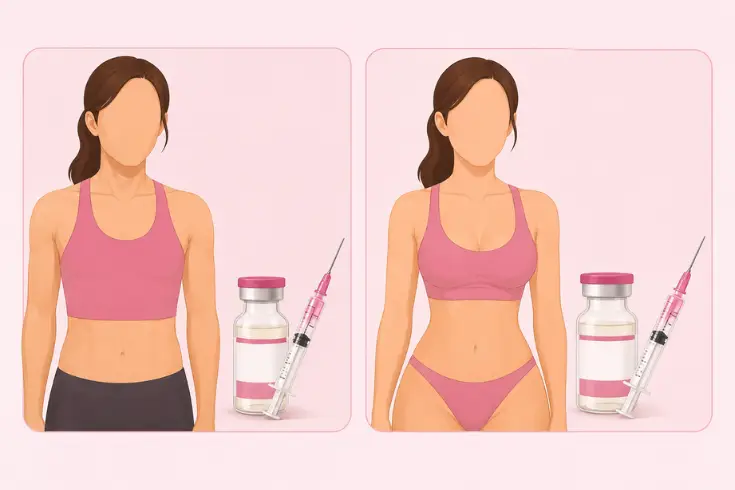
If you’re a man in New York City asking whether testosterone replacement therapy actually changes anything, the honest answer is yes, and the changes follow a predictable timeline. Most men experience them in phases over weeks and months, not overnight.
HRT in the context of men’s health refers to hormone replacement therapy that restores testosterone to a healthy level. When the body stops producing enough testosterone on its own, a range of physical and cognitive symptoms follow. Treatment reverses many of them, but the pace depends on where you start, when treatment begins, and how consistently the protocol is followed.
This breakdown covers what the body actually goes through before and after HRT, organized by timeframe and based on clinical research and what men commonly report after starting testosterone therapy. A licensed provider should evaluate your labs and health history before any of this applies to you, because starting points vary widely and treatment decisions belong in a clinical conversation.
What does HRT do to a man’s body
HRT for men works by restoring testosterone to a level that supports normal physiological function. Testosterone is involved in muscle protein synthesis, fat metabolism, bone density, red blood cell production, mood regulation, and sexual function. When it falls too low, all of those systems are affected at once.
The before picture for many men includes persistent fatigue, belly fat that does not respond to diet or training, reduced libido, slower recovery from exercise, and mood that trends flat or irritable. These are not random isolated aging symptoms. They are often interconnected consequences of inadequate testosterone, and many of them are reversible with treatment.
Treatment does not flip a single switch at one moment. It sets off a sequence of improvements that builds as levels stabilize and the body recalibrates. Understanding that sequence helps set realistic expectations from the start. The signs of low testosterone in men covered at trtnyc.com give a clear picture of where most men are before they start.
What changes in the first two to four weeks on HRT
The earliest changes from testosterone therapy are mental and neurological rather than physical. Most men report improved mental clarity, more consistent energy through the day, and better sleep quality within the first two to three weeks. A mild uptick in libido is also common by week two.
These changes are real but subtle. This is not the stage where visible physical transformation happens. What most men describe at this point is a return to baseline, a sense of the fog lifting rather than a dramatic upgrade. That framing matters, because expecting a visible body change at week two sets the stage for unnecessary frustration.
What happens between month one and month three
Between weeks four and twelve, the more noticeable functional changes arrive. Libido increases meaningfully for most men during this window. Morning erections, which are a reliable marker of hormonal health, often return or become more consistent. Exercise recovery improves, meaning less soreness between sessions and more capacity to push in training.
Mood and drive tend to stabilize during this period. Body composition is beginning to shift beneath the surface. Fat cells are responding to the changing hormonal environment and muscle protein synthesis is picking up, but neither change shows dramatically in the mirror yet. The foundation is being built. For a look at the biology driving this process, how TRT works goes deeper on the mechanics.
How your body composition changes from month three to six
This is the phase where the physical changes most men are looking for begin to appear. Research published through the National Institutes of Health shows that testosterone replacement therapy increases fat-free mass and significantly reduces fat mass in men with low testosterone, with body composition changes becoming measurable within three to six months of consistent treatment.
Fat loss tends to concentrate first around the abdomen and chest, the areas where low testosterone tends to drive accumulation. Waist size is usually the clearest early indicator of progress. Lean muscle mass increases in the arms, shoulders, and legs as the body becomes more responsive to resistance training and protein intake. Testosterone creates the hormonal conditions for body recomposition, but men who train consistently and eat enough protein see substantially more change than those who do not.
The TRT before and after results post on this site covers what real results look like across different starting points and body types, which gives useful context alongside this timeline.
What most men notice after six months on HRT
After six months of consistent therapy, testosterone has typically stabilized in a therapeutic range and the cumulative effects become pronounced. Lean muscle continues to build and fat mass continues to fall, particularly visceral fat, which is the fat stored around the organs and associated with metabolic risk. Men who have dealt with persistent fatigue, low libido, and poor body composition often describe this phase as the point where they feel like a substantially different version of themselves.
VA research found that increasing testosterone improves body composition in men with low baseline levels, with those starting lower often seeing more meaningful improvements. Bone density also begins to improve over this timeframe, which matters for long-term health even if most men do not notice it directly.
Beyond the one-year mark, the benefits tend to plateau at a higher sustained baseline rather than continuing to climb indefinitely. Ongoing monitoring with a licensed clinician keeps the protocol dialed in and catches any side effects early.
Why some men see results faster than others
The pace of change varies from person to person, and the most influential factors are starting testosterone level, age, body composition at baseline, exercise habits, dietary protein intake, and consistency with treatment. A man starting with severely low testosterone who also trains regularly will see faster and more visible body changes than someone who starts at a borderline level and leads a sedentary lifestyle.
Consistency with the treatment protocol matters more than most people expect. Missed injections, inconsistent dosing, or frequent protocol changes prevent testosterone levels from stabilizing, which delays and blunts results. The connection between consistency and outcome is detailed in the role of consistency in achieving TRT results, and it is one of the most underappreciated variables in the process.
If you are searching for HRT results and wondering whether the term applies to what you are looking for, the HRT vs TRT post clarifies how these terms are used in men’s health specifically.
What the risks look like and who should not start HRT
Testosterone therapy is not appropriate for every man, and those risks deserve a clear statement rather than a footnote. Men with certain prostate conditions, elevated hematocrit, active cardiovascular risk factors, or near-term fertility goals need to discuss those factors with a clinician before starting. The FDA requires labeling on testosterone products that notes cardiovascular and polycythemia risks, and a legitimate provider will screen for these before prescribing.
Common side effects include increased red blood cell count, shifts in cholesterol, testicular atrophy from suppressed natural production, and potential fertility impact. Most are manageable with proper monitoring and protocol adjustments. The full picture of potential TRT side effects is covered in detail on this site and is worth reading before you start.
In New York City, telehealth has made getting evaluated significantly more accessible. A legitimate evaluation still requires blood work and a clinical consultation. Any provider who skips those steps before prescribing is not a provider worth working with.
Getting started with HRT in New York City
The body changes from HRT for men follow a clear pattern. Mental clarity and energy tend to improve within the first month. Functional changes like libido and exercise recovery follow between weeks four and twelve. Visible fat loss and muscle growth become apparent between months three and six, and the cumulative result at one year is usually significant for men who stick with treatment and support it with consistent exercise.
None of this happens automatically or identically for every man. Starting testosterone levels, lifestyle, and how well the protocol is monitored all shape what the results actually look like. If you’re in New York City and want to know whether you’re a candidate, the right first step is a blood panel and a conversation with a licensed clinician who can evaluate your specific numbers rather than a general timeline.
Frequently asked questions about HRT and body changes in men
How long does it take to see body changes after starting HRT
Most men see the first visible body changes, specifically fat loss around the abdomen and mild muscle improvements, between three and six months after starting testosterone therapy. Mental clarity and energy tend to improve within the first two to four weeks. Full body recomposition typically takes six to twelve months of consistent treatment paired with regular exercise and adequate protein intake.
Does HRT make you gain or lose weight
HRT tends to shift body composition rather than produce straightforward weight gain or loss on the scale. Most men lose fat mass, particularly around the abdomen and chest, while gaining lean muscle. The number on the scale may not change dramatically, but how the body looks and feels shifts noticeably over three to six months. Results depend significantly on diet, exercise, and starting testosterone levels.
What happens to muscle mass before and after HRT in men
Before HRT, low testosterone reduces muscle protein synthesis and makes it harder to build or maintain muscle even with consistent training. After starting therapy, the body becomes more responsive to resistance exercise and dietary protein. Research published through the NIH shows that testosterone replacement increases fat-free mass and muscle size in men with hypogonadism, with measurable changes typically appearing from month three onward.
Can HRT change body fat distribution in men
Yes. Low testosterone in men is associated with increased visceral fat accumulation, particularly around the abdomen and chest. As testosterone normalizes after starting HRT, fat distribution begins to shift and fat decreases in those areas over three to six months. Clinical studies have consistently documented reductions in fat mass as part of the broader body composition changes from testosterone therapy.
Is HRT safe for men
Testosterone replacement therapy is considered safe for men who are appropriate candidates and treated under medical supervision. It carries real risks, including elevated red blood cell count, cholesterol changes, and potential effects on fertility. Men with certain cardiovascular conditions or prostate concerns need individualized clinical evaluation before starting. Working with a provider who monitors labs throughout treatment is the standard of care, not optional.
How does HRT for men differ from HRT for women
In men’s health, HRT most commonly refers to testosterone replacement therapy to address clinically low testosterone. In women, it typically refers to estrogen and progesterone supplementation around menopause. The hormones involved, the physiological goals, and the monitoring protocols differ significantly between the two. The HRT vs TRT post covers how these terms apply in men’s health specifically.
This article is for general educational purposes and is not a substitute for medical advice. Consult a qualified healthcare provider before starting or making changes to any hormone treatment.