
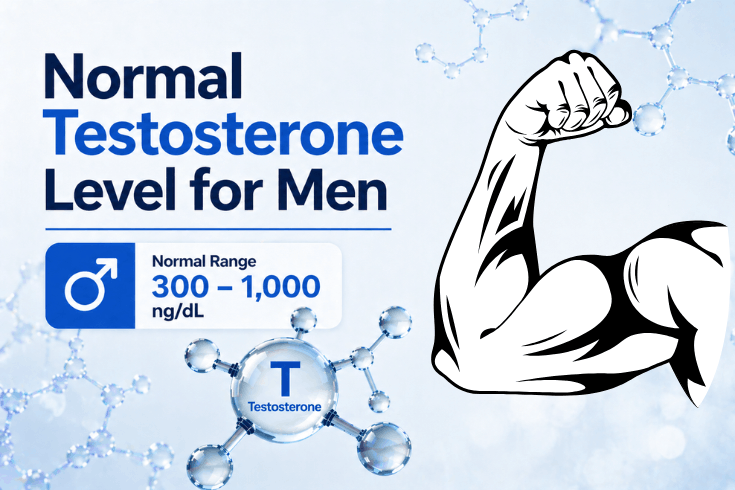





If you’re a man noticing fatigue, mood swings, or a waning sex drive, you may be experiencing the common effects of low testosterone. Many men find themselves wondering why they feel less energetic or motivated than in younger years. In fact, about one in four men over age 30 in the U.S. have low testosterone levels, a condition known as hypogonadism. Instead of chalking these changes up to “just getting older,” modern medicine offers solutions. Testosterone replacement therapy (TRT) is a clinically proven way to restore hormone levels and vitality.
Under the care of specialists like Dr. Phillips, therapy begins with a thorough evaluation – detailed blood tests (usually taken in the morning) and a review of your health history and symptoms. This careful approach ensures a correct diagnosis and a personalized treatment plan. By tailoring TRT to your specific needs (age, lab results, lifestyle and goals), Dr. Phillips helps patients safely regain energy, muscle mass, and overall well-being. In this article, we’ll explore how Dr. Phillips’s testosterone replacement therapy works, highlight the physical and mental benefits you can expect, and explain how he manages the treatment process – including risks – to help you make an informed decision about your men’s health.
Dr. Phillips’s Personalized Testosterone Replacement Therapy
Men naturally produce less testosterone as they age. On average, a healthy man’s testosterone falls by about 1% per year after age 30. Lifestyle factors like weight gain, inactivity, poor sleep and stress can accelerate this decline. Dr. Phillips understands that no two cases are the same. To start, he evaluates you – your symptoms (fatigue, low libido, mood changes, etc.), medical history, and even screening for related issues like diabetes or obesity.
As standard practice, he orders confirmatory blood tests (often on two separate mornings) to check total testosterone and related markers (hemoglobin, hematocrit, liver enzymes, LH, PSA, prolactin, etc.).Only with clear evidence of deficiency and no underlying contraindications (for example, untreated prostate cancer or severe heart failure) will Dr. Phillips proceed with TRT.
Once low testosterone is confirmed, treatment is customized. Dr. Phillips discusses which delivery method fits your life – injections, daily gel, patch, or pellet implants (see comparison table below). He also reviews your goals: Do you want more strength for the gym? Better sleep and mood for work? Improved libido at home? All these factors shape the plan. Close monitoring is key: you’ll have regular follow-ups with blood tests to track hormone levels and adjust doses as needed. This ensures therapy stays effective while side effects are minimized. If testosterone rises too high (thick blood, acne, irritability), adjustments are made immediately. This patient-focused, step-by-step approach – in line with clinical guidelines – helps maximize benefits and safety in Dr. Phillips’s practice.
Benefits of Testosterone Replacement Therapy
Testosterone replacement therapy offers a wide range of benefits for men with low T. Physically, you may notice a dramatic improvement in strength and physique. Studies show that men on TRT often gain muscle mass and lose fat more easily. Improved bone density is another plus; higher testosterone helps keep bones strong and reduces fracture risk. Energy levels and stamina usually climb, so everyday activities and workouts feel easier.
Many patients report that work feels less tiring and that they have more “get-up-and-go.” Sexual health is also boosted – a restored hormone balance typically reignites libido and erectile function, which can greatly enhance intimate relationships.
Mentally and emotionally, testosterone therapy can sharpen the mind and stabilize mood. Research indicates TRT can improve mood and reduce symptoms of depression and irritability. You may feel more focused, confident, and motivated in your daily life. Patients often say they think more clearly, feel less sluggish, and have better productivity at work or in hobbies. By counteracting the “brain fog” and fatigue of low-T, therapy can renew enthusiasm for social activities and goals. In short, these mental health gains – greater motivation, improved self-esteem, and better stress handling – add to your overall quality of life.
In summary, Dr. Phillips’s patients frequently experience a transformation: more energy, improved mood and clarity, and gains in strength and sexual health. These combined physical and psychological benefits are what make testosterone replacement therapy so impactful for men suffering from low-T.
Testosterone Replacement Therapy Dr. Phillips: Comparing Treatment Methods
Different delivery methods of testosterone offer unique pros and cons. Dr. Phillips will help you choose the right one based on your lifestyle and preferences. The table below compares the most common TRT options:
| Method | Benefits | Drawbacks | Typical Frequency |
|---|---|---|---|
| Injection | Fast, reliable dose; builds muscle effectively | Requires needle (at home or clinic); | Every 1–2 weeks (IM) or longer intervals for some formulations |
| Can adjust dose precisely | may cause highs/lows between shots | ||
| Topical Gel/Patch | Easy, non-invasive application | Must apply daily; risk of skin contact | Gel: daily application; Patch: daily (change site) |
| Maintains steady daily levels | (transmission to others if not careful); | Patch may irritate skin; gel requires caution around others | |
| Implant (Pellet) | Long-lasting (3–6 months at a time) | Minor office procedure to insert; | Every 3–6 months |
| (subdermal pellet) | Stable levels; no daily dosing needed | cannot easily reverse dose once placed | |
| Buccal/Nasal/Oral | Non-injection options; rapid absorption | Less common; require frequent dosing; | Buccal: twice daily; Nasal: ~3×/day; Oral: twice daily |
| (buccal adhesive; nasal gel; pills) | oral T may affect liver; nasal is frequent |
Each method delivers testosterone effectively, but your preference and daily routine guide the choice. For example, if you want to avoid needles, a daily gel or patch might suit you. If you prefer infrequent dosing, pellets or longer-acting injections are options. In all cases, Dr. Phillips will review the pros and cons (above) and monitor your response, switching methods if needed for best results.
What to Expect During Treatment
Once the treatment plan is in place, Dr. Phillips emphasizes close monitoring. Initially, you can expect more frequent check-ins—often a visit or phone consultation every few months. At each follow-up, you’ll have blood tests to measure testosterone levels and related markers (hematocrit/hemoglobin, prostate-specific antigen, etc.). These tests help ensure hormone levels are in the optimal range and flag any side effects early. For example, therapy tends to raise red blood cell count; your doctor will check for this and may adjust the dose if your hematocrit becomes too high. Similarly, prostate health is monitored via PSA tests.
If any lab values or symptoms change unexpectedly, Dr. Phillips tweaks your regimen. Say your dosage is too strong and you begin to get acne or fluid retention; a slight dose reduction or a change in method (e.g. switching from injections to gel) can help. On the other hand, if you aren’t feeling the benefits, the dosage may be safely increased. This flexible, iterative process is a hallmark of quality TRT care. Throughout therapy, Dr. Phillips remains attentive to your progress – asking about mood, energy, and side effects at each visit. This partnership ensures your health is always the priority.
In addition to monitoring bloodwork, you will discuss lifestyle factors during these visits. Good sleep, stress management, and nutrition will be reinforced, since they all help therapy work better. By combining ongoing medical supervision with healthy habits, Dr. Phillips helps keep your treatment on track toward the improvements you’re hoping for.
Lifestyle, Nutrition, and Testosterone Levels
Testosterone therapy works best when supported by a healthy lifestyle. Dr. Phillips encourages patients to embrace habits that naturally boost hormone health alongside treatment. Regular exercise – especially strength training and high-intensity interval workouts – can raise testosterone levels and improve how you respond to TRT.
Conversely, excessive endurance training (like marathon running) can lower testosterone, so balance your fitness routine accordingly. Maintaining a healthy weight is crucial: excess body fat, particularly around the midsection, is linked to lower testosterone and insulin resistance.
Nutrition also plays a role. A diet rich in protein, healthy fats and micronutrients (like vitamin D and zinc) supports hormone production. For example, healthy fats in fish or nuts are building blocks for hormone synthesis. While very low-fat diets can slightly decrease testosterone levels , Dr. Phillips advises moderation – aim for a balanced diet. Equally important is sleep: deep, quality sleep restores your hormonal cycle. Chronic sleep deprivation or untreated sleep apnea can drastically impair testosterone production. If you snore or feel unrefreshed, addressing sleep issues (for instance with a CPAP machine or better sleep hygiene) can enhance TRT outcomes.
Other habits matter too. Limit excessive alcohol and avoid smoking, as these can hinder hormone balance. Managing stress through mindfulness or hobbies helps keep cortisol (a stress hormone) in check, which is beneficial since high stress can blunt testosterone levels. By combining TRT with these positive lifestyle changes, you’re much more likely to reach your goals. In Dr. Phillips’s experience, patients who pair therapy with diet and exercise see faster gains in energy, strength, and mood – truly maximizing the benefits of treatment.
Conclusion:
Testosterone replacement therapy Dr. Phillips provides is more than just a medical treatment—it’s a pathway to renewed health, energy, and confidence. By addressing the root causes of low testosterone with a personalized plan, Dr. Phillips ensures every patient receives safe, effective, and sustainable results. His approach blends science-backed treatment options with lifestyle guidance, helping men not only restore hormone balance but also improve overall quality of life. From increased muscle strength and sharper mental focus to revitalized libido and improved mood, the benefits of TRT can be life-changing when monitored properly.
Frequently Asked Questions
1.What are common symptoms of low testosterone in men?
Symptoms often include unexplained fatigue, reduced libido, erectile difficulties, loss of muscle mass, weight gain (especially around the waist), mood changes (irritability or depression), and trouble concentrating. Men with low T frequently report persistent tiredness and diminished interest in sex. Western Michigan Urology notes that over 60% of men with low testosterone report low sex drive, and many have muscle loss and fatigue. If you recognize these issues in yourself, mention them to a doctor – they could warrant a testosterone check.
2.What is testosterone replacement therapy (TRT)?
TRT is a medical treatment that raises testosterone levels in men diagnosed with a deficiency. It involves administering a lab-made form of testosterone (identical to the hormone your body produces) to restore normal levels. TRT is prescribed only when lab tests confirm low testosterone and you have related symptoms. Its goal is to replace the hormone that is lacking, thereby alleviating the symptoms of deficiency (low energy, poor libido, etc.) and improving overall health.
3.What methods of TRT are available?
There are several options. Common methods include injectable testosterone (intramuscular or subcutaneous), topical gels applied to the skin, adhesive patches, and subdermal pellets implanted under the skin. Each delivers testosterone differently: injections are given weekly or biweekly by needle, gels/patches are applied daily, and pellets provide a slow-release dose for months. Other, less common forms are buccal tablets (applied to the gums) and nasal sprays, which require multiple daily doses. Dr. Phillips will explain the pros and cons of each and help you choose the one that best matches your lifestyle and preferences.
4.What should I expect during the TRT process?
Initially, you’ll have a thorough medical workup. Expect your doctor to review your symptoms, medical history, and to order confirmatory blood tests in the early morning (testosterone levels fluctuate daily, so morning levels are key). If you start TRT, you’ll return for follow-up visits roughly every 3–6 months. At these visits, blood will be drawn again to measure testosterone and safety parameters (hematocrit, PSA, etc.). You’ll also discuss how you feel: improvements or any side effects. Over time, Dr. Phillips uses this feedback to fine-tune your dose or method, aiming to hit the sweet spot where symptoms improve but side effects stay minimal. Open communication is encouraged, so mention any changes in mood, libido, or energy at each check-in.
5.What potential risks or side effects should I know about?
TRT is generally safe when monitored, but it does carry some risks. Common side effects include skin reactions (acne or oily skin) and fluid retention (mild swelling in ankles). Testosterone can stimulate prostate tissue, which may worsen urinary symptoms or enlarge the prostate. Gynecomastia (breast tenderness/enlargement) can occur in some men. Importantly, TRT often increases red blood cell production, which thickens the blood; therefore, doctors monitor hematocrit levels to avoid clot risks. Sleep apnea can also worsen, so sleep issues need attention.
6.How does Dr. Phillips personalize TRT treatment plans?
Every plan is custom-tailored. Dr. Phillips considers your age, health history, lifestyle, and goals. He reviews your lab results and symptoms in depth, then chooses the safest and most effective regimen. He may start at a conservative dose and increase gradually as needed. Importantly, he stays responsive: if you experience side effects or not enough benefit, he adjusts the dose or switches delivery methods. For instance, a patient struggling with daily gel applications might switch to injections, or someone developing minor side effects might try a lower dose. Throughout your therapy, Dr. Phillips maintains an ongoing dialogue – tracking progress and making changes to optimize your results. In essence, treatment is a partnership where your feedback helps guide each step.