



Testosterone replacement therapy Fort Lauderdale offers a powerful solution for men experiencing the fatigue, low libido, and muscle loss that often accompany aging. As men age, testosterone levels naturally decline – roughly 1% per year after age 30–40 – so it’s no surprise that studies show up to 4–5 million American men have hypogonadism and “more than 60% of men over age 65” have testosterone below the level of a healthy 30-year-old.
These hormone shifts can lead to symptoms like low energy, reduced motivation, mood swings, and reduced muscle mass. In the Fort Lauderdale area, specialized men’s health clinics now offer tailored TRT programs (via gels, patches, injections, or pellets) designed to normalize hormone levels and restore strength, mood, and sexual function. The rest of this article will explain what TRT is, how it works, the benefits you can expect, and how local providers guide Fort Lauderdale men through therapy.
Testosterone Replacement Therapy Fort Lauderdale: What It Is and How It Works
Testosterone replacement therapy (TRT) is a medical treatment that gives men supplemental testosterone to bring levels back into a healthy range. In Fort Lauderdale (as elsewhere), doctors begin by confirming low testosterone with blood tests and a clinical evaluation. Only symptomatic men with consistently low lab values are treated. Endocrine guidelines recommend TRT only for men with documented hypogonadism (symptoms plus low testosterone). Treatment methods include intramuscular injections (typically every 1–3 weeks), transdermal gels or patches (daily application to skin), and subcutaneous pellets (implanted every few months).
Each method delivers the hormone effectively but has trade-offs: injections provide quick dose changes, gels/patches give steady daily levels, and pellets last months at a time. TRT programs in Fort Lauderdale are highly personalized: doctors measure baseline hormone levels (often in the morning), screen for conditions like sleep apnea or prostate issues, and then choose the safest, most convenient delivery route. The goal of TRT Fort Lauderdale is to maintain normal testosterone so as to restore libido, energy, mood, and muscle strength while improving bone density. Throughout treatment, providers in Fort Lauderdale monitor blood levels and symptoms, adjusting dosage as needed to achieve these benefits safely.
Key Benefits of Testosterone Replacement Therapy Fort Lauderdale
Men undergoing TRT often experience multiple improvements in health and quality of life. Major benefits include:
- Improved Energy and Mood: Patients frequently report feeling more energetic, motivated, and clear-headed. Low testosterone is linked to fatigue, depression, and irritability, so bringing levels back up often reverses these effects. In practice, many Fort Lauderdale men note better concentration and a more positive outlook once on TRT.
- Enhanced Libido and Sexual Function: One of the clearest effects of TRT is on sexual health. Restoring testosterone commonly boosts sex drive and erectile function. Studies and clinical experience show TRT “improves libido” and helps resolve erectile dysfunction in men with low T. Men on TRT typically report increased sexual desire and performance.
- Greater Muscle Mass and Strength: Testosterone is anabolic, meaning it builds muscle. TRT helps increase lean muscle mass and strength while aiding fat loss. For example, long-term studies of hypogonadal men have shown significant gains in muscle size and reductions in body fat with testosterone therapy. One study even found dramatic weight loss and improved blood sugar in diabetic men on TRT. Many patients see that they recover the gym progress they had lost, with muscles growing more easily once hormones are normalized.
- Improved Bone Health: Testosterone promotes bone density. Men with low T are at higher risk for osteoporosis. TRT often increases bone mineral density, helping prevent fractures. This is especially important for older Fort Lauderdale residents who may face falls and bone loss; therapy helps keep bones stronger.
- Better Metabolic and Cardiovascular Health: Low T often comes with metabolic issues like insulin resistance and unfavorable cholesterol. Research suggests TRT can improve these measures. In one large study, diabetic men treated with testosterone saw major drops in fasting glucose, HbA1c, and body weight – nearly one-third even achieved remission of their diabetes. While more research continues, many doctors note improvements in cholesterol profiles and blood sugar after TRT.
Treatment Options for Testosterone Replacement Therapy Fort Lauderdale
Fort Lauderdale clinics offer the full range of testosterone delivery methods. The best choice depends on each man’s preferences and health profile. Key options are:
| Method | Delivery | Pros | Cons |
|---|---|---|---|
| Injections | Intramuscular (shot) | High bioavailability; often rapid effect. Short-term dose changes possible. | Requires regular clinic visits (weekly/biweekly). Hormone levels can fluctuate between doses, causing peaks and troughs. |
| Topical Gel | Daily skin application | Steady daily testosterone; easy administration; dose easily adjustable. | Can irritate skin in some men. Hormone can transfer to others if skin not covered or washed. |
| Skin Patch | Daily adhesive to skin | Consistent hormone release; mimics natural circadian cycle. | Daily application required; common skin irritation at patch site. Visible on skin. |
| Pellet Implant | Implanted under skin (hip) every 3–6 months | Long-lasting; no daily maintenance; steady levels with minimal intervention. | Minor minor surgical procedure needed for insertion; higher upfront cost; dose cannot be easily changed between insertions. |
Eligibility and Assessment for Testosterone Replacement Therapy Fort Lauderdale
Not every man needs TRT. Candidates are typically those 30+ years old with clear symptoms of androgen deficiency. Common symptoms include low sex drive, fatigue, depression, poor concentration, loss of muscle mass, and increased body fat. If you have one or more of these issues, a Fort Lauderdale doctor can evaluate whether low testosterone may be the cause. The evaluation usually involves:
- Medical history and physical exam: The doctor reviews your symptoms and checks overall health. He or she will rule out other causes of your symptoms (for example, thyroid issues or depression) and look for any signs of prostate or breast cancer.
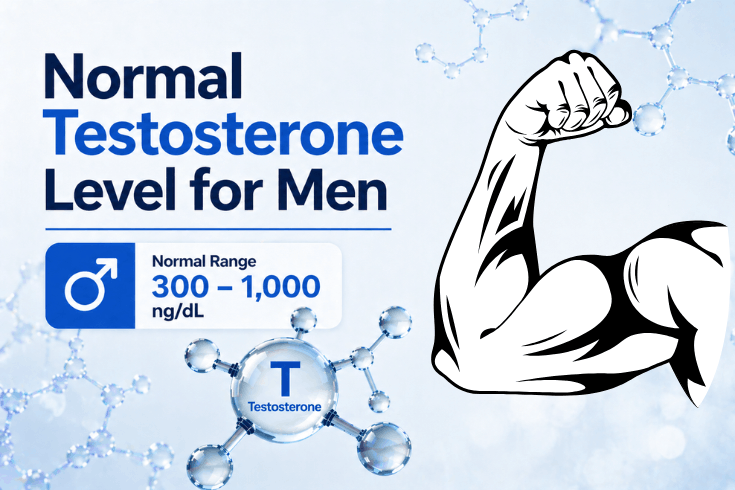
- Blood tests: Testosterone is best measured with a morning blood test, when levels are highest. Guidelines recommend checking total testosterone at least twice on separate mornings before diagnosing low T. A total testosterone below about 300 ng/dL is often considered low. If low T is confirmed, additional labs are drawn, such as luteinizing hormone (LH) to determine if the problem originates in the testes or pituitary. Blood counts (hematocrit) and PSA (prostate-specific antigen) are also checked as baseline safety measures.
- Symptoms correlation: Both symptoms and lab results are needed. The Endocrine Society and other experts emphasize that treatment should be limited to men who both feel the effects of low testosterone and indeed have low numbers. For example, men with normal T levels should not take TRT just to try to “feel younger”.
- Rule out contraindications: Some conditions make TRT unsafe. Major clinics in Fort Lauderdale follow guidelines that TRT is not given to men with active breast or prostate cancer, or men planning pregnancy. Untreated severe sleep apnea or uncontrolled heart failure is also a contraindication. Doctors will screen for these issues up front.
After this assessment, if both your symptoms and labs point to hypogonadism, your provider will discuss a personalized TRT plan. This careful approach – assessing lifestyle, hormones, and risks – helps ensure you only get TRT if it’s truly appropriate.
Potential Risks and Side Effects of Testosterone Replacement Therapy Fort Lauderdale
TRT can provide major benefits, but it’s important to be aware of possible side effects and risks so you and your doctor can watch for them:
- Common short-term effects: Testosterone can cause acne, oily skin, and fluid retention. Some men experience increased aggression or mood swings. TRT also suppresses your natural hormone axis: it typically shrinks the testicles and drastically lowers sperm count. Thus, TRT is not a contraceptive (it will actually make pregnancy harder) and is not recommended if you plan to father a child soon. Because of the volume expansion, doctors monitor your hematocrit (red blood cell percentage) to prevent it from rising too much.
- Sleep and metabolic changes: Low testosterone itself may contribute to sleep apnea, and TRT can occasionally worsen apnea. Men are screened for sleep apnea and counseled to sleep with a CPAP if needed. Testosterone can also affect cholesterol and insulin, so these are checked regularly. In general, however, many metabolic parameters (like blood sugar and cholesterol) tend to improve with TRT as body composition normalizes.
- Bone and breast effects: TRT often improves bone density, but it can also enlarge breast tissue (gynecomastia) in some men. Regular exams are done to monitor any breast changes.
- Cardiovascular risk: Earlier studies raised concerns about heart attacks and strokes on TRT, but more recent evidence is reassuring. A major trial of over 5,000 men with low T found no increase in heart attacks, strokes, or death in the TRT group versus placebo. However, that trial did note a slight increase in atrial fibrillation and pulmonary embolism (blood clots) in men on testosterone. These events were uncommon, but they underline the need for periodic monitoring (e.g. blood counts, blood pressure) during therapy.
- Prostate health: Testosterone does not cause prostate cancer, but it can stimulate the prostate. Current data suggests that in men without prostate cancer, TRT does not increase the incidence of new cancer. For example, a 2023 study showed similar low prostate cancer rates among TRT and placebo groups after 3 years. Nonetheless, standard cancer screenings continue: Fort Lauderdale doctors will check PSA levels and perform digital rectal exams as recommended.
Overall, the side effects of TRT are generally manageable with good medical supervision. Fort Lauderdale clinics typically schedule regular follow-ups – checking blood pressure, PSA, blood counts, and asking about symptoms – to catch any problems early. By being informed and monitoring carefully, most men on TRT achieve benefits far outweighing the manageable risks.
Patient Success Stories: TRT Fort Lauderdale
Local patient experiences highlight both the promise and the process of TRT. For example, one Fort Lauderdale clinic notes that “thousands of men have found relief” from low-T symptoms through medically supervised hormone therapy. Many men describe life-changing results: increased confidence, stamina, and motivation. One patient in his 50s told his doctor he felt “like himself again” within weeks, with renewed interest in exercise and activities. Another noted that improved testosterone greatly boosted his libido and positively affected his relationship. Even productivity at work and home can improve; some men report tackling tasks they had been avoiding because of fatigue or brain fog.
Of course, experiences vary. A few men mention minor challenges, like mild acne or transient mood swings when starting therapy. But with ongoing support and dose adjustments from their Fort Lauderdale providers, most navigate these effects successfully. Importantly, patient forums and clinic reviews emphasize personalized care – each man’s treatment is customized, not “one-size-fits-all”. This attentive approach means that when challenges arise, adjustments are made so patients can stay on track. For many local men, the overall outcome is clear: regaining a sense of youthfulness. If these stories resonate, remember that consulting a qualified provider is the first step to seeing if TRT might offer similar benefits for you.
Conclusion: Take Charge with TRT in Fort Lauderdale
Exploring testosterone replacement therapy in Fort Lauderdale could be the step that revitalizes your health. If you’re experiencing symptoms of low T – chronic fatigue, low libido, or unexplained weight gain – consult a knowledgeable clinician who can evaluate your situation. Fort Lauderdale is home to specialists focused on men’s hormonal health; they can order the appropriate tests and, if needed, design a personalized TRT program for you. Remember that TRT isn’t a one-size-fits-all fix: success requires finding the right dose and method, along with lifestyle habits (like exercise and a healthy diet) that support hormone balance.
Ready to feel strong and energetic again? Contact a trusted Fort Lauderdale hormone clinic today to schedule your consultation. For example, visit Fort Lauderdale TRT Clinic or call your local men’s health center to start a tailored evaluation. By taking this step and working closely with an expert, you can begin reclaiming your vitality and confidence through balanced testosterone levels. Don’t wait – unlock your best self with a customized testosterone therapy plan now.
Frequently Asked Questions
Q: What is testosterone replacement therapy (TRT)?
A: TRT is a medical treatment for men with clinically low testosterone. It involves supplementing the body’s testosterone via injections, gels, patches, or pellets to raise levels back to normal. The goal is to relieve symptoms of testosterone deficiency (like low energy or libido) by restoring hormone balance.
Q: Who is a candidate for TRT?
A: Men with persistent symptoms of low testosterone (e.g. fatigue, depression, low sex drive, decreased muscle mass) and laboratory-confirmed low T levels are typical candidates. It’s most common in men over 40 whose hormone levels decline with age, but any adult with hypogonadism (for example from pituitary or testicular issues) may be treated. Men who plan to father children soon or who have prostate/breast cancer generally should not take TRT. Your doctor will assess your overall health, risks, and benefits before starting therapy.
Q: What treatment options are available for TRT in Fort Lauderdale?
A: Fort Lauderdale clinics offer all major TRT methods. These include intramuscular injections (e.g. testosterone cypionate given every 1–3 weeks), transdermal gels applied daily to the skin, adhesive testosterone patches, and subcutaneous pellets implanted under the skin every 3–6 months. The best choice depends on your lifestyle: injections require medical visits but less frequent dosing, while gels/patches are daily self-applications. Pellets provide long-term coverage but need a minor office procedure. Your provider will help you select the most effective method for your needs.
Q: What are the potential side effects of TRT?
A: Common side effects include acne, skin oiliness, fluid retention, and breast tenderness. TRT also lowers sperm production and shrinks the testicles, so it’s not used for men who want to conceive. Other considerations: testosterone can raise red blood cell count (increasing clot risk) and may worsen sleep apnea. Older studies worried about heart disease, but a major trial found no increase in heart attacks or strokes with proper TRT. That trial did note slightly more atrial fibrillation and clots on TRT. Regular check-ups and lab monitoring (e.g. hematocrit, lipid panel, PSA) help manage any risks effectively.
Q: How are testosterone levels assessed before starting TRT?
A: Doctors will measure your testosterone with a blood test, usually drawn in the early morning when levels peak. Because levels fluctuate day to day, current guidelines advise obtaining at least two separate morning measurements to confirm consistently low testosterone. If both tests show low T (commonly <300 ng/dL) and you have matching symptoms, a diagnosis of hypogonadism can be made. Additional tests (LH, FSH, prolactin) often follow to determine the underlying cause.
Q: Can lifestyle changes impact TRT effectiveness?
A: Yes. Improving diet, exercising regularly, managing stress, and getting adequate sleep can all naturally support testosterone production. Fort Lauderdale clinics often incorporate lifestyle coaching into TRT programs for this reason. For example, resistance training and weight loss can boost testosterone, making therapy more effective. Taking good care of your general health helps maximize TRT benefits and may reduce needed dosage over time.
Q: How often should I follow up with my provider during TRT?
A: Close follow-up is important. Initially, doctors may recheck your testosterone level about 3–6 months after starting or changing therapy, then every 6–12 months once you’re stable. The Mayo Clinic notes that “your doctor will likely measure your testosterone levels at least twice before recommending therapy” – similarly, ongoing monitoring ensures levels stay within the target range. Routine follow-ups (every few months) allow your provider to adjust dose, check for side effects, and reassess overall health markers.
Q: What should I consider when choosing a TRT clinic in Fort Lauderdale?
A: Look for providers with board-certified doctors (endocrinologists or urologists) who specialize in hormone health. Experienced staff should perform thorough evaluations (hormone panels, physical exams) and follow current guidelines. Patient reviews and clinic transparency (clear pricing, explained protocols) are helpful. Ensure the clinic emphasizes personalized care – adjusting doses and methods to your needs – rather than a “one-size-fits-all” approach. Finally, choose a clinic that offers close monitoring, including regular blood tests and screenings, so that your therapy is both effective and safe.